
Jord International is pleased to share our latest NovaCell™ research paper, recently published in the Minerals Engineering journal.
The paper, ‘Advancing coarse particle flotation: how the NovaCell™ overcomes liberation challenges’, explores the fundamental mechanisms behind capturing these difficult particles.
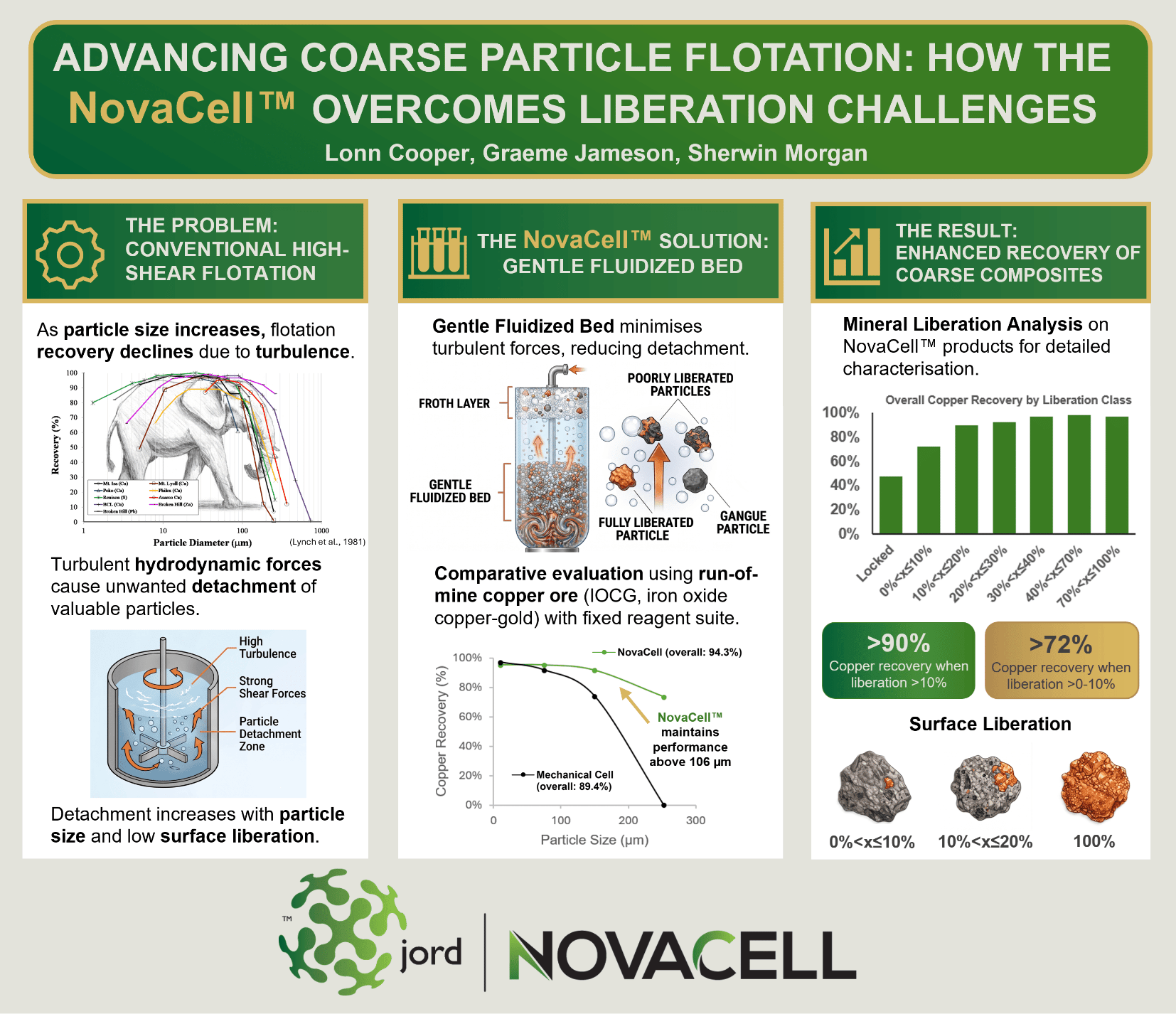
In conventional mechanical cells, the strong hydrodynamic forces required for particle attachment frequently lead to the detachment of coarser particles. This challenge is compounded by the fact that larger composite particles often have lower fractional surface liberation, which reduces the adhesive force holding the particle to the bubble. By utilising a quiescent fluidised bed, the NovaCell™ provides a calmer environment that minimises the detachment forces tearing coarse bubble-particle aggregates apart.
We have summarised the core findings in the attached infographic, highlighting the results from laboratory testing on a run-of-mine IOCG ore:
– Superior Copper Recovery: The NovaCell™ achieved an overall copper recovery of 94.3% ± 0.8%, compared to 89.4% ± 0.8% in a conventional mechanical cell.
– Complex Composite Capture: While the mechanical cell saw a sharp decrease in recovery for particles larger than 106 µm, the NovaCell™ maintained high copper recovery above this size.
– Low Liberation Threshold: Detailed mineral liberation analysis (MLA) demonstrated that the NovaCell™ achieved effective recovery across all size fractions for composite particles with surface liberation as low as 10%.
– Flowsheet Efficiency: The ability to successfully recover poorly liberated, coarse composites permits a coarser primary grind. This unlocks additional plant throughput and reduces specific energy consumption, while simultaneously generating coarser tailings that improve dewatering rates.
Congratulations to authors Lonn Cooper, Professor Graeme Jameson, and Sherwin Morgan on this excellent contribution to mineral processing literature.
Read the full paper here.
Other News
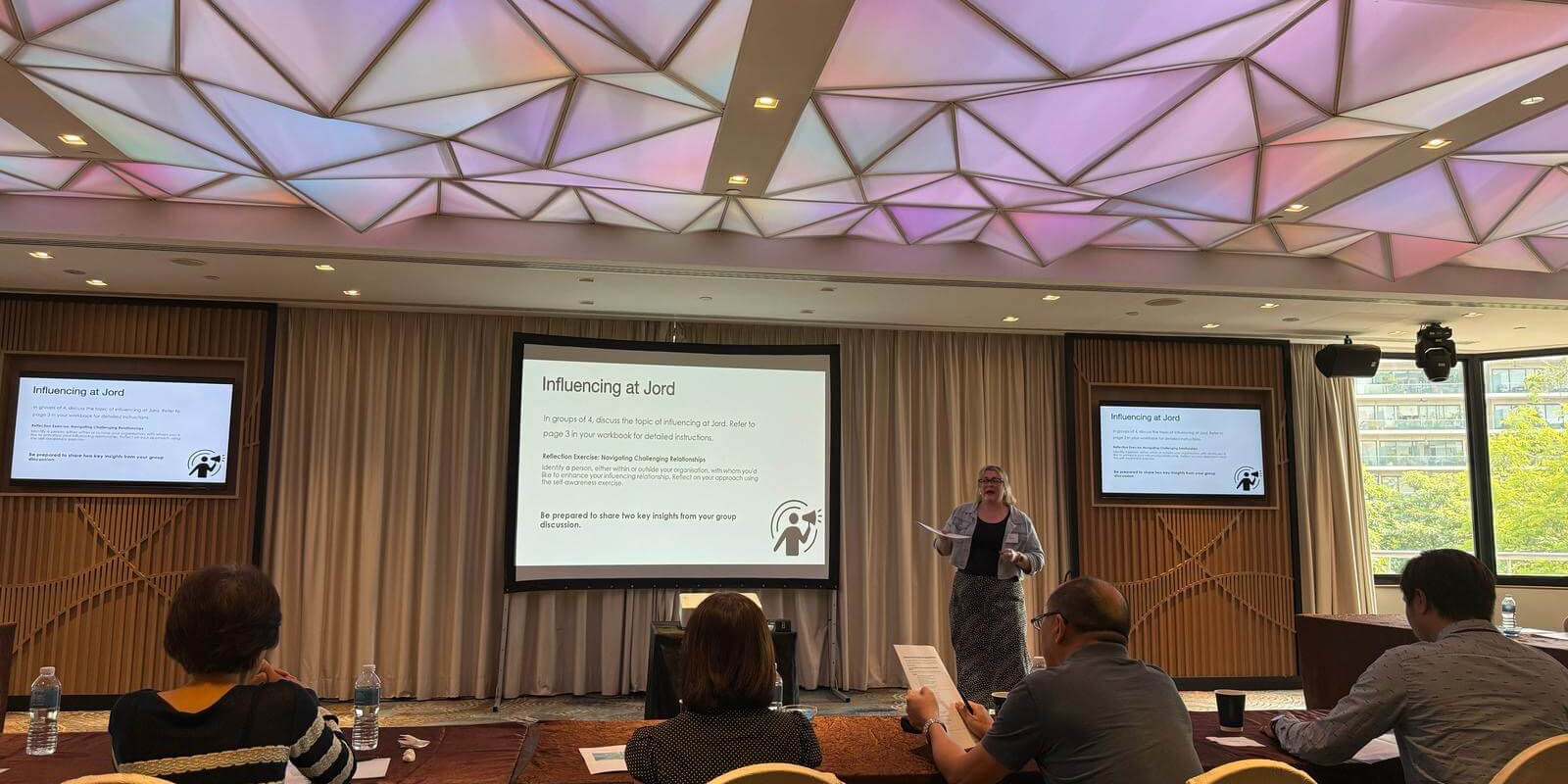
Jord’s Influencing Without Authority Program
As part of Jord's People Strategy, we are dedicated to enhancing capability and boosting engagement within our teams.
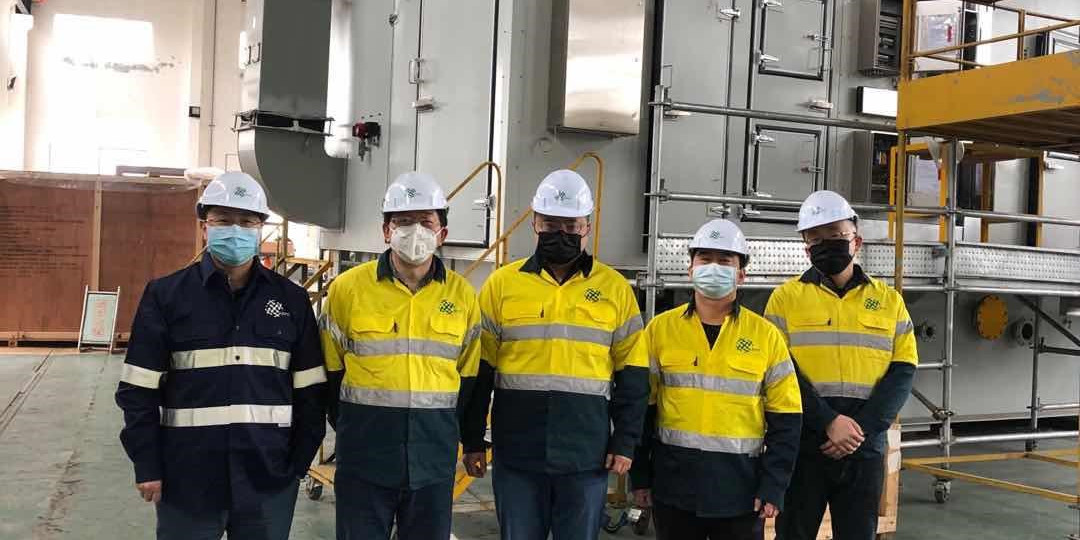

Working Together in Malaysia
Our leadership team in Malaysia recently participated in a three day Working Together Program focused on strengthening leadership and team effectiveness.

Jord’s Can Do Award Winners
Let us celebrate the success of our most recent Can Do Award Winners.

Celebrating 10 Years; Jord and Bush Heritage Australia
This year marks a truly special milestone; the 10th Anniversary of the collaboration between Bush Heritage Australia and Jord.

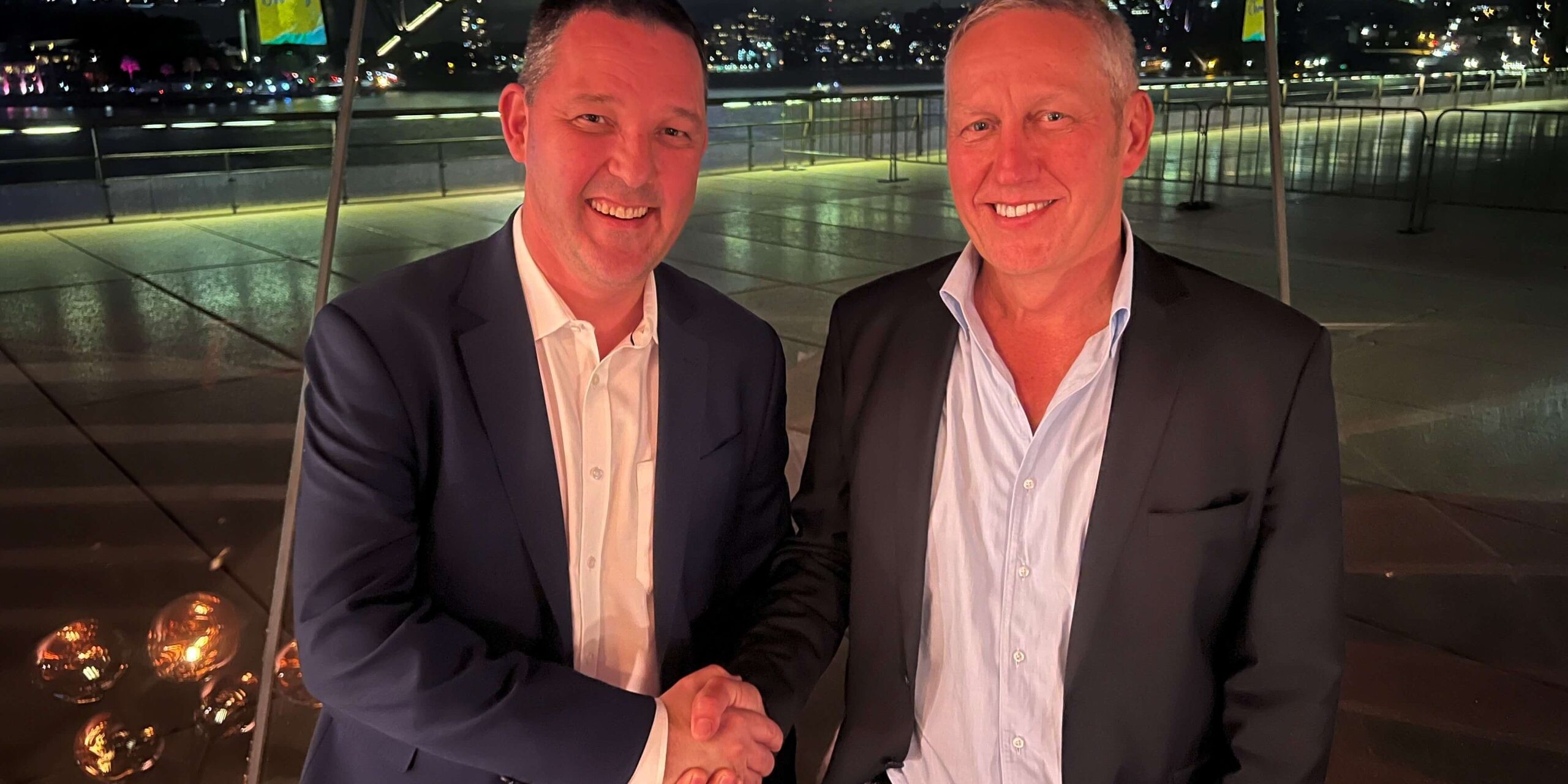
Jord International welcomes new CEO, Greg Jones
Jord International (Jord) has appointed Greg Jones as CEO, commencing July 15
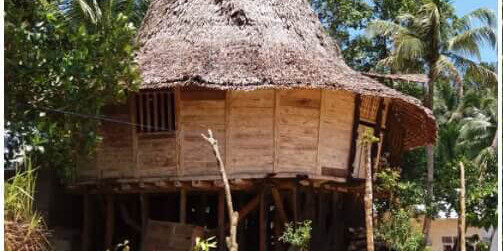
Clean Water Nias, Indonesia
Jessie Salazar spearheaded a campaign for Jord to help give immediate assistance to people left homeless and destitute in the town of Tacloban after super typhoon Yolanda – the strongest typhoon…
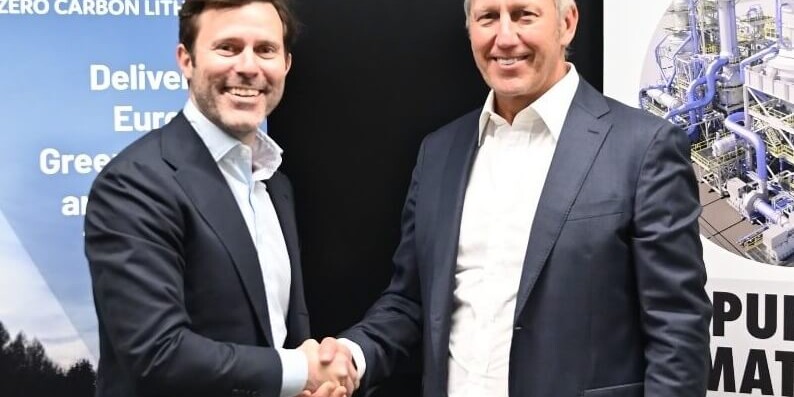
JordProxa and Vulcan Partnership
JordProxa and Vulcan Partner for Phase One of ZERO CARBON LITHIUM™ Project

Jord delivers energy efficient Topsides for Brazli FPSO
Jord Oil & Gas Systems b.v. is delighted to have played a part in delivering Yinson Production’s first FPSO
Supporting colleagues through the COVID crisis
As the pandemic disrupts our lives in unprecedented ways, acts of kindness and care from colleagues make a huge difference.
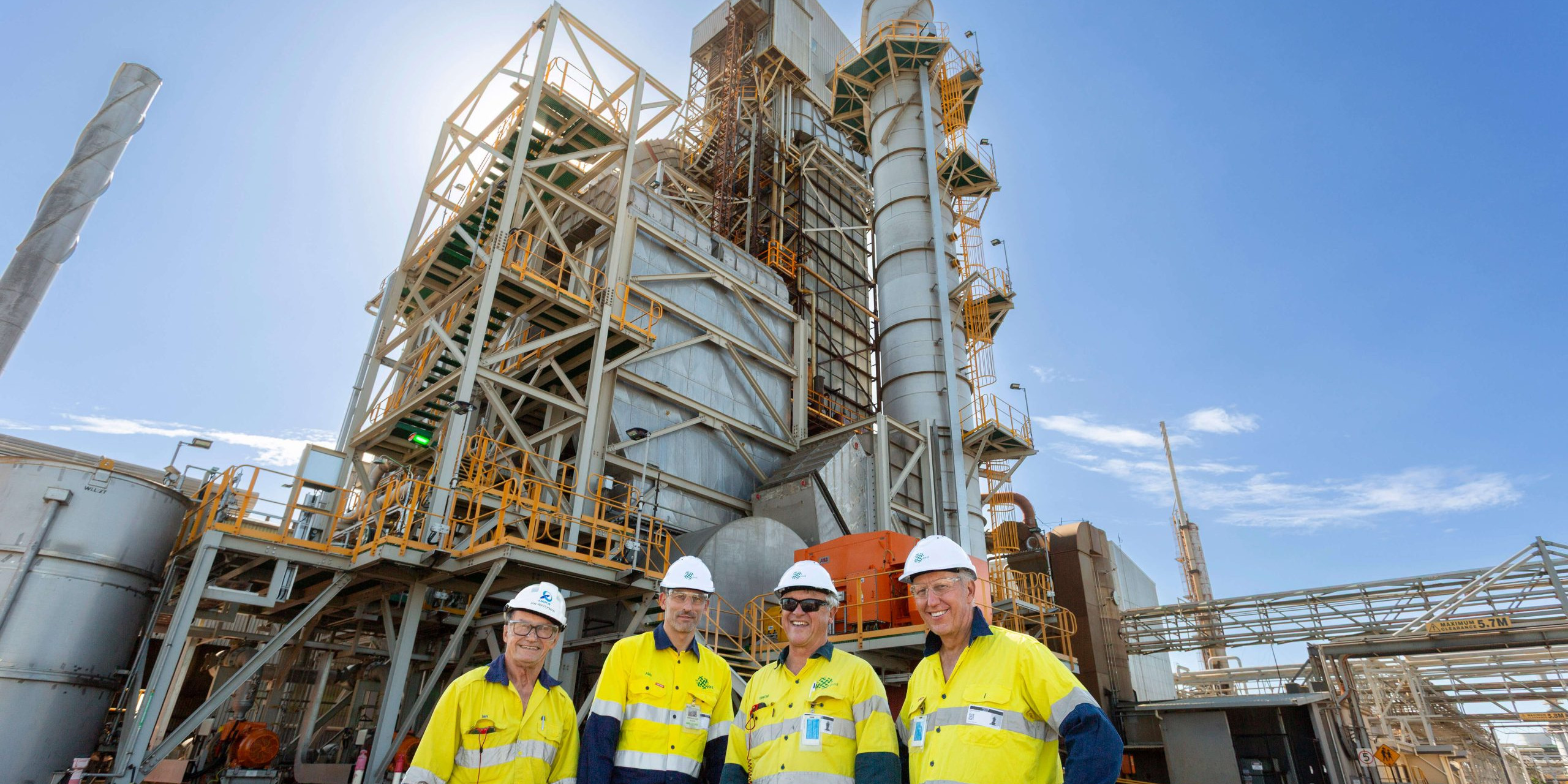
Jord International partners with Orica to Reduce Particulate Emissions at Kooragang Island Ammonium Nitrate Plant
In August 2018, leading mining and infrastructure solutions provider Orica committed to reducing particulate matter emitted by its Kooragang Island ammonium nitrate plant.
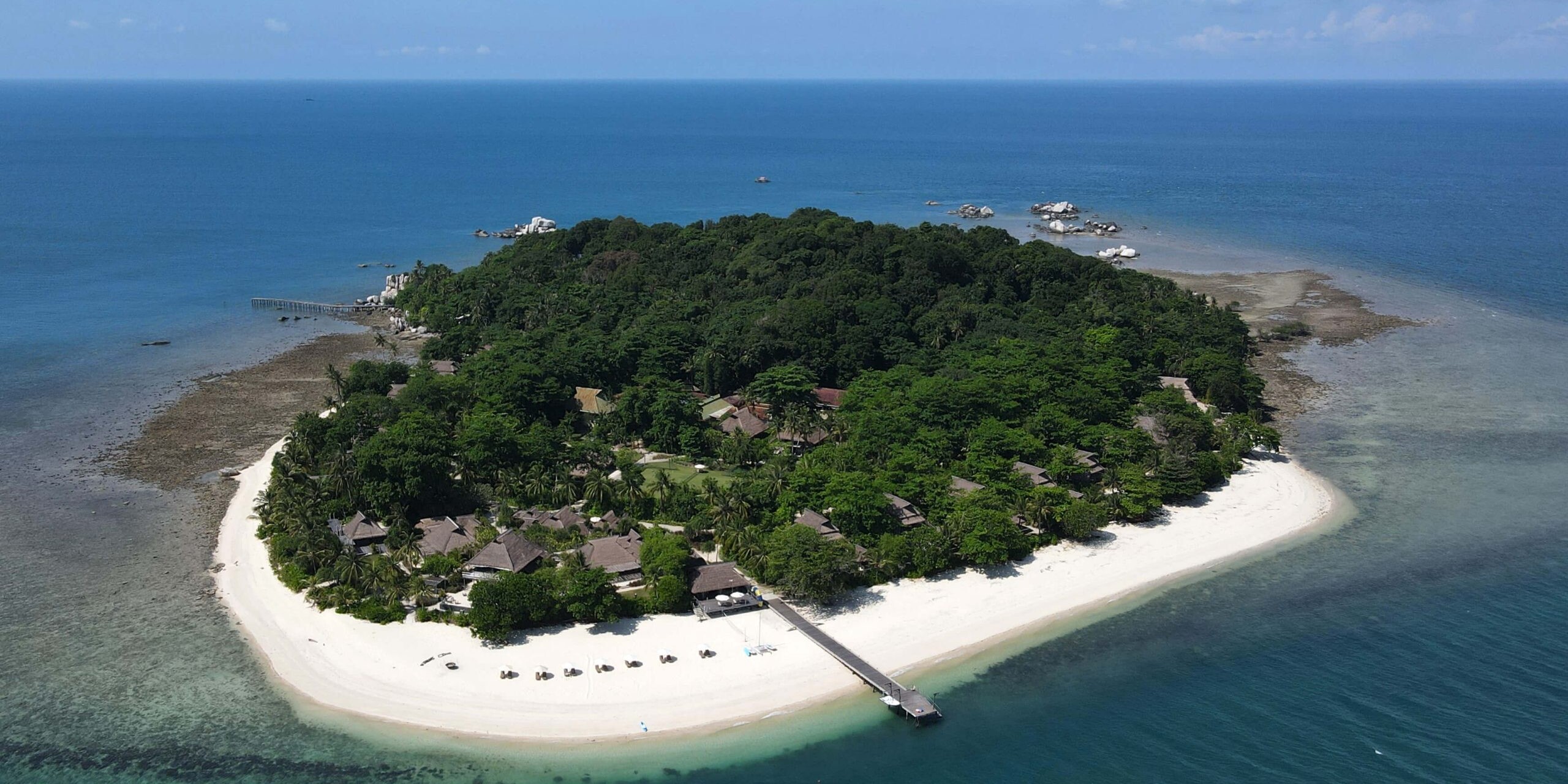
Celebrating a Milestone in Marine Conservation
Jord proudly supports the ongoing development of the East Bintan Marine Protected Area (MPA).

Japan’s ever-expanding renewable energy drive
Jord is delighted to confirm its participation in the Wakayama Gobo Biomass Power Plant, located 120 km south of Osaka, Japan.
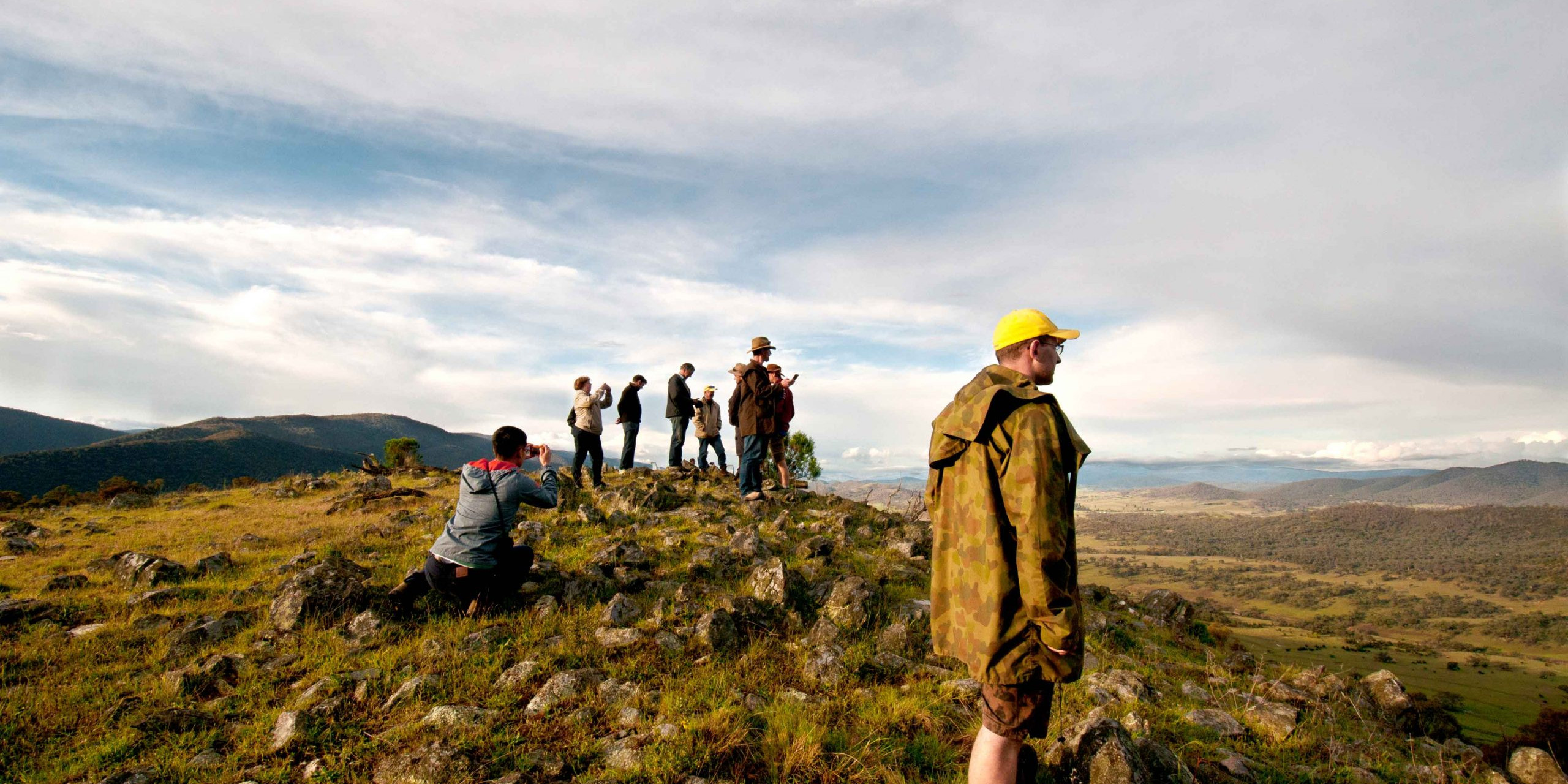
Staff Working Bee, Scottsdale Reserve, NSW
The third Jord Foundation (JET) roadshow was closer to home, just a 4 hour drive southwest of Sydney, to Scottsdale, a 1,300 hectare Bush Heritage property nestled on the banks of the Murrumbidgee…
Jord at SME MINEXCHANGE 2025
This year’s SME MINEXCHANGE truly felt like home for our local Denver team, led by our Vice President of the Americas, Oliver Whatnall.
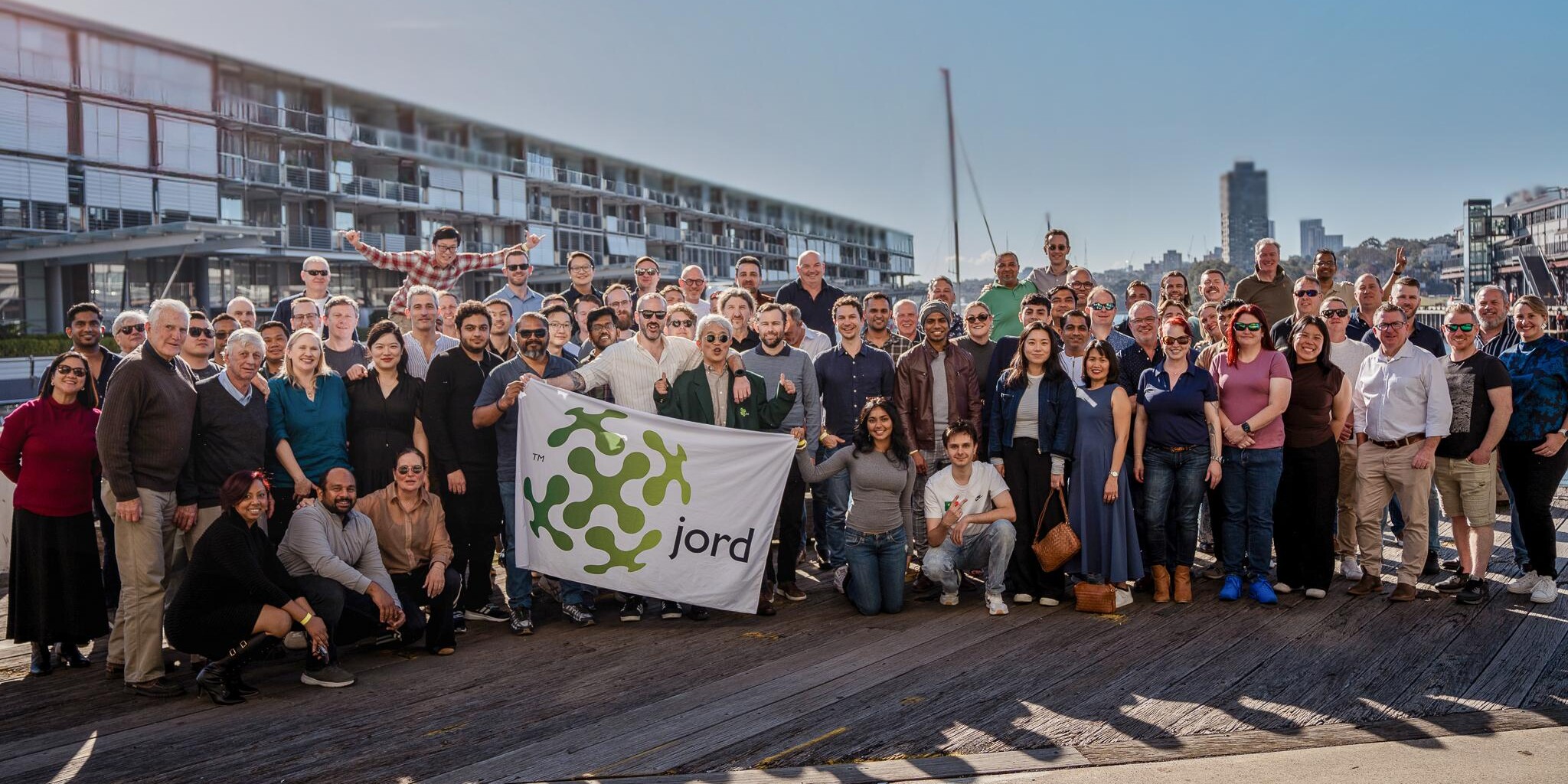
Happy 54th Birthday Jord
Monday, 31st August, 2026 marked the 54th birthday of Jord International. Offices across the globe have celebrated with lunches, golf, bowling and more.
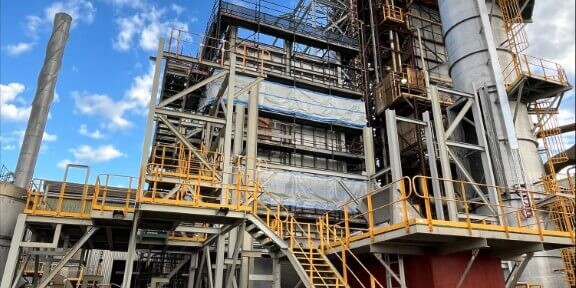
Clear skies ahead for Newcastle
Orica is set to substantially reduce particle emissions from its Kooragang Island, Newcastle explosives facility
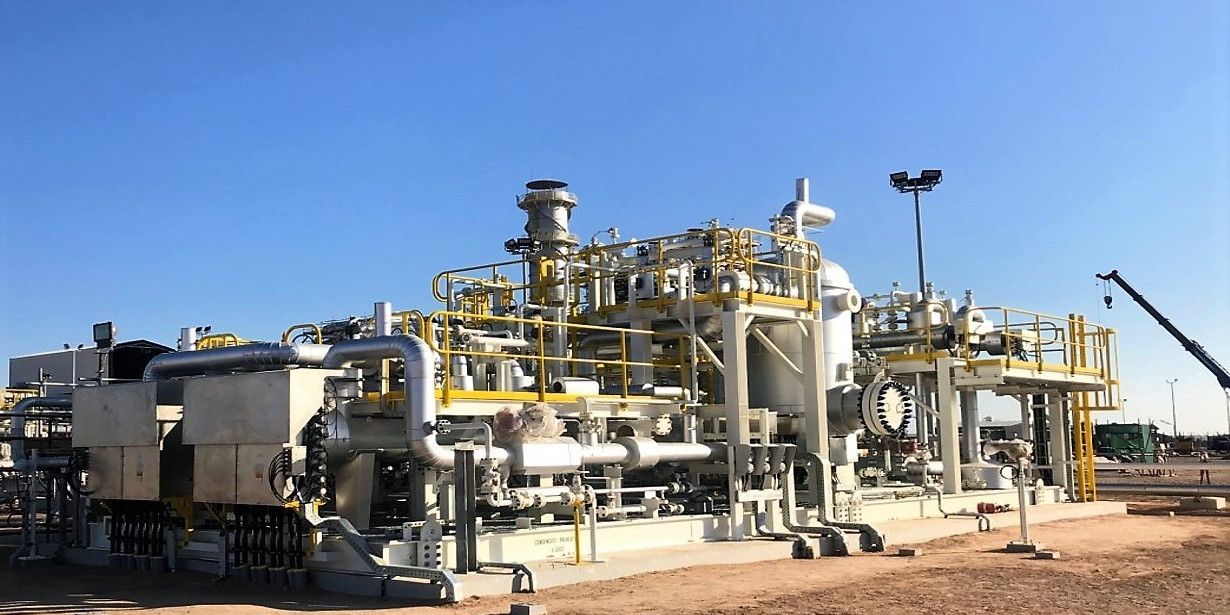
Omani CCPP commences commissioning
Commissioning works commence for Oman's latest power plant
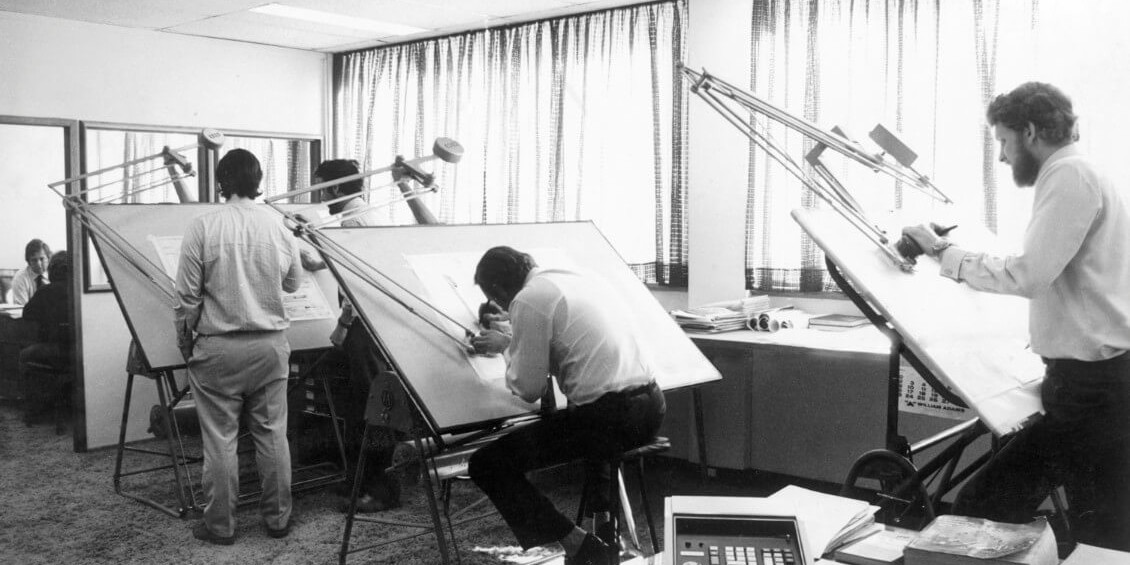
Staying Ahead with Ideas
By feeding creativity and pushing boundaries, Jord has expanded its technology offering over the past 50 years.
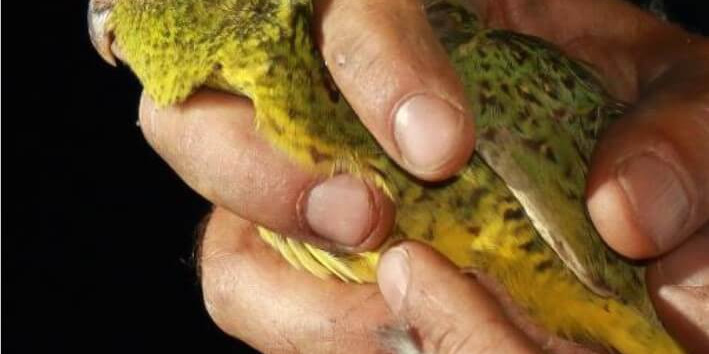
Nurturing the Night Parrot
An arid patch of ground some 1,500 km north-west of Brisbane hit global headlines in 2013, with the exciting re-discovery of the Night Parrot, a nocturnal ground dwelling parrot previously thought…

Jord recognised by GE Vernova with Supplier Partnership Award
Jord is proud to be recognised by GE Vernova with their Supplier Partnership Award for Accountability.
Aminpro Exclusive Testing Partner NovaCell Chile
Aminpro, a leading metallurgical testing and consulting firm, is proud to announce its designation as the exclusive testing partner for Jord International’s groundbreaking NovaCellTM flotation…

Jord opens office in Denver, USA
Jord is proud to open its new office in Denver, Colorado, to provide greater service and responsiveness to customers throughout the Americas.
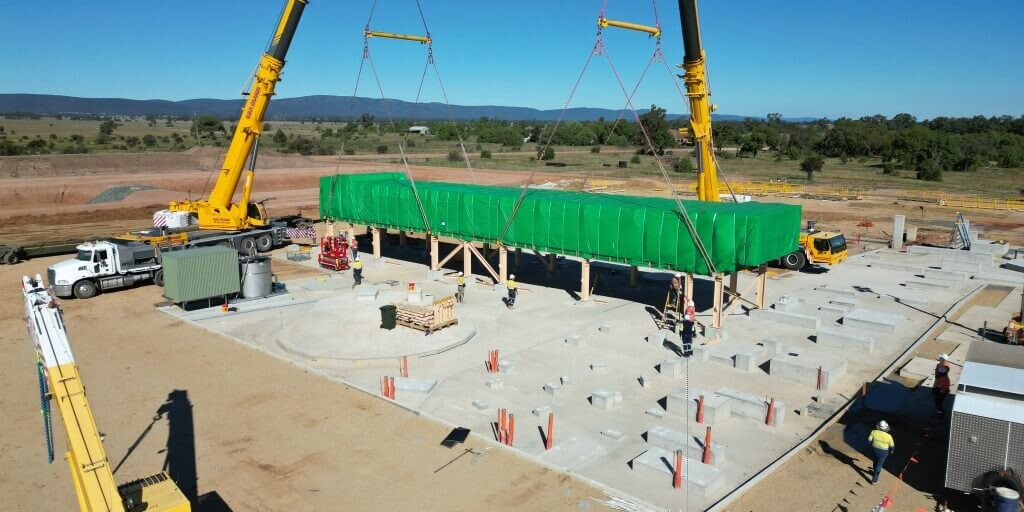
Single lift paste back-fill filter installed
Jord has continued to support the mining industry’s drive towards sustainable tailings management

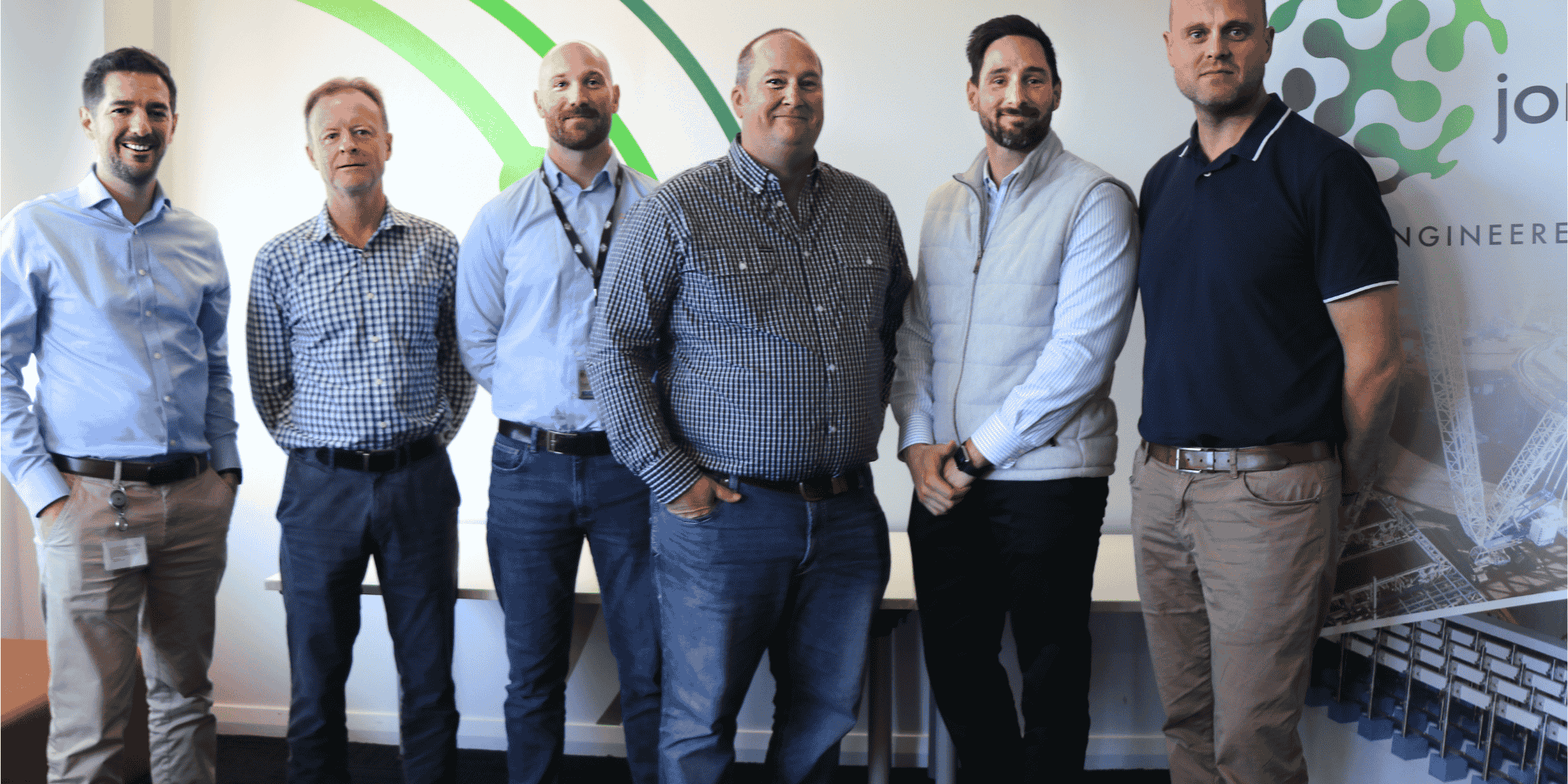
Jord’s Latest Can Do Award Winners September 2025
This quarter, we honour those whose hard work, versatility, and commitment truly embody the Jord Can Do spirit.
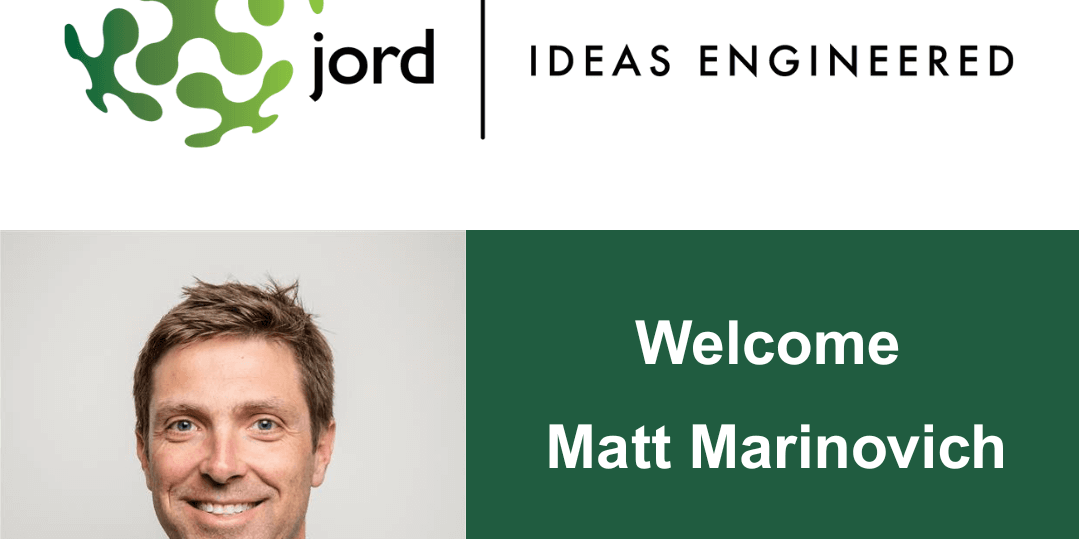
Jord Appoints Matthew Marinovich as Head of Energy
Matt joins Jord with more than 20 years of experience in the chemical, equipment, and industrial services sectors, bringing deep expertise in gas processing and modular LNG systems.

Engineering modular process infrastructure for rare earths
The Australian Mining Review examines how the Jord Group is applying its engineering and delivery capability to the evolving requirements of Australia’s critical minerals value chain.
Cleaning Up the Messy Part of Mining: Turning Waste Into Opportunity
A new Research and Development project between Jord International and TRaCE has commenced to maximise critical mineral recovery while reducing water use and managing mine tailings, all while keeping…
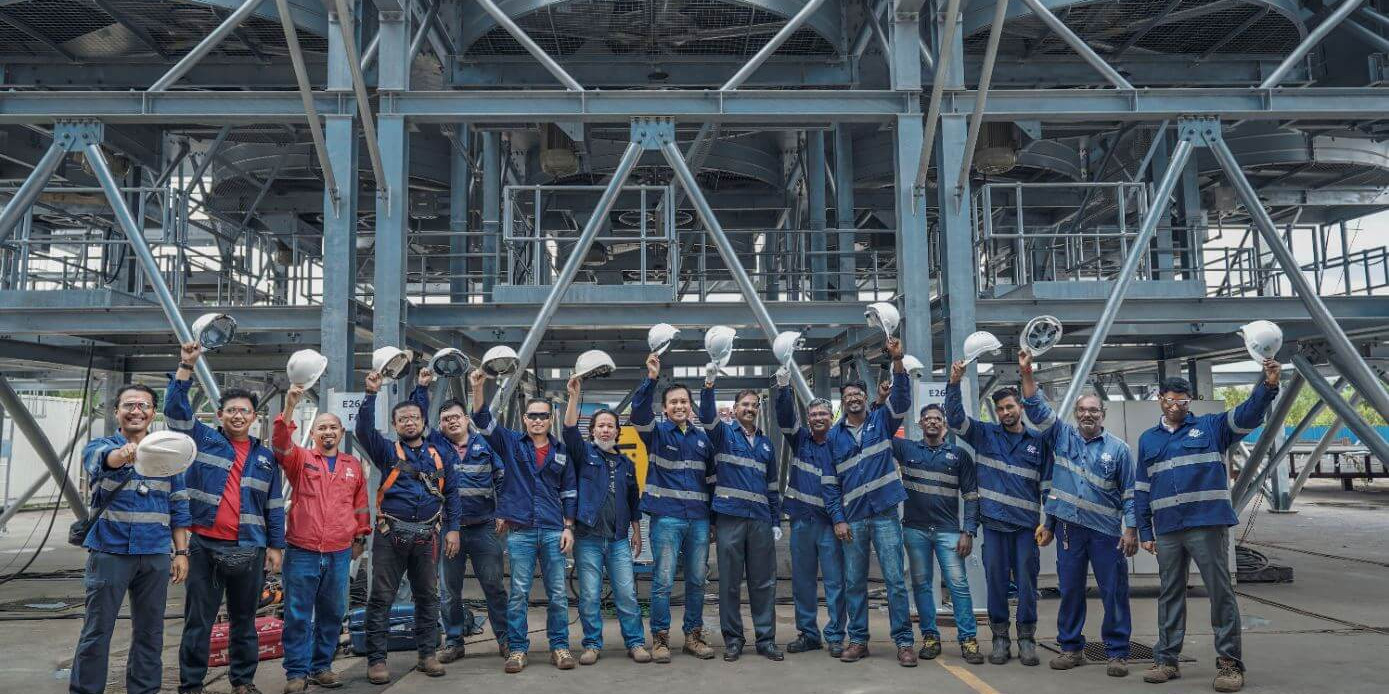
Smiles all around
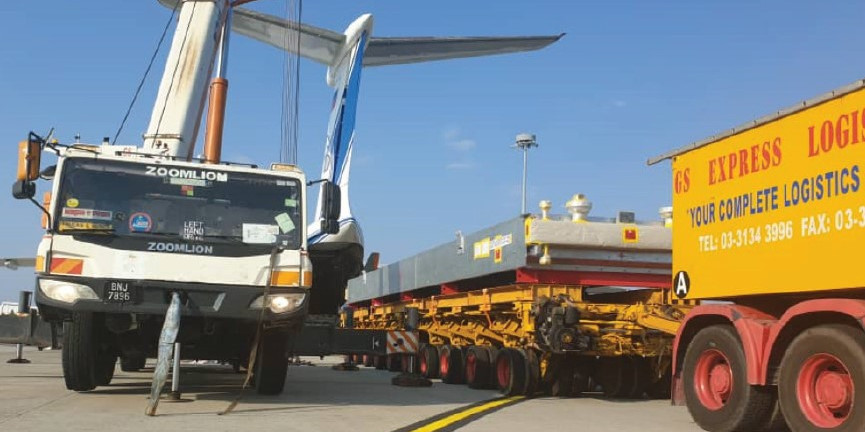
Hats off to Jord Malaysia's fabrication team, for completing a milestone event

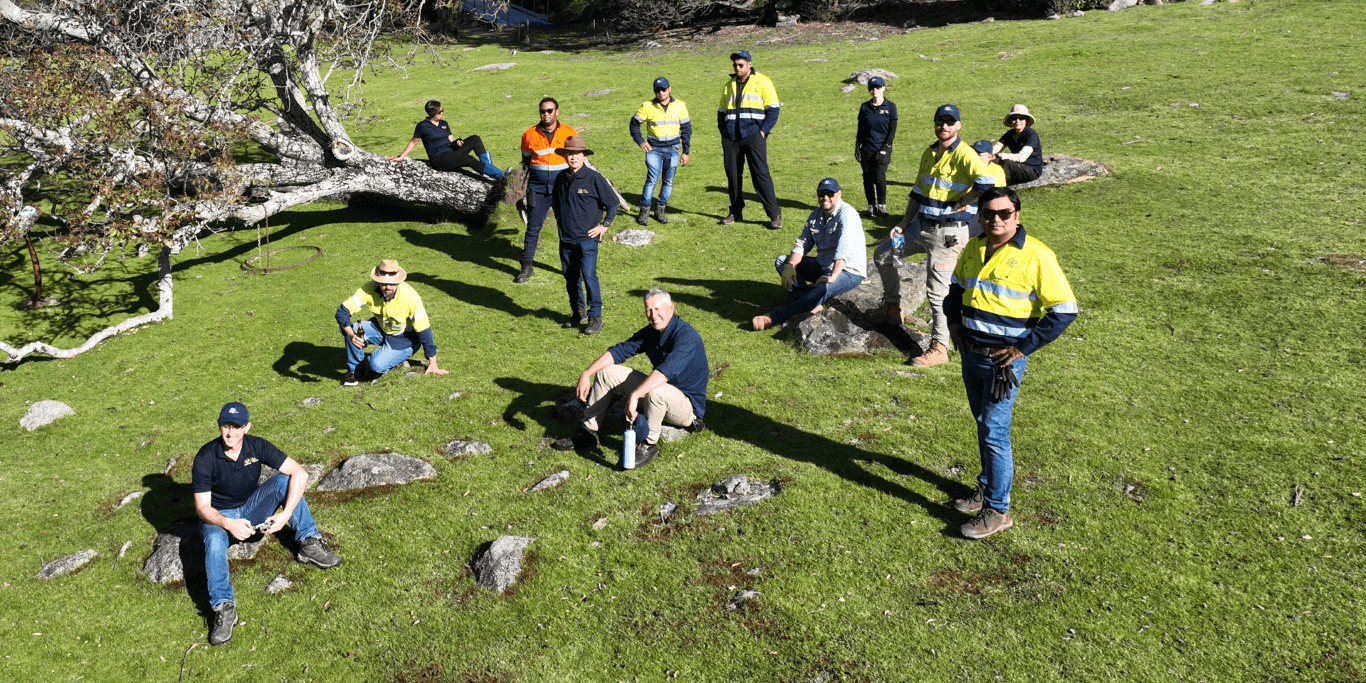
2022 Bush Heritage Working Bee
It was under a ancient reclining (but still thriving) walnut tree where Australia’s Bush Heritage, Tasmania’s Wilderness Society and The Greens Party were conceived, thanks to founder Bob Brown.

Typhoon Yolanda, Philippines
In November 2013 super typhoon Yolanda – the strongest typhoon recorded in Philipino history – left at least 10,000 killed.
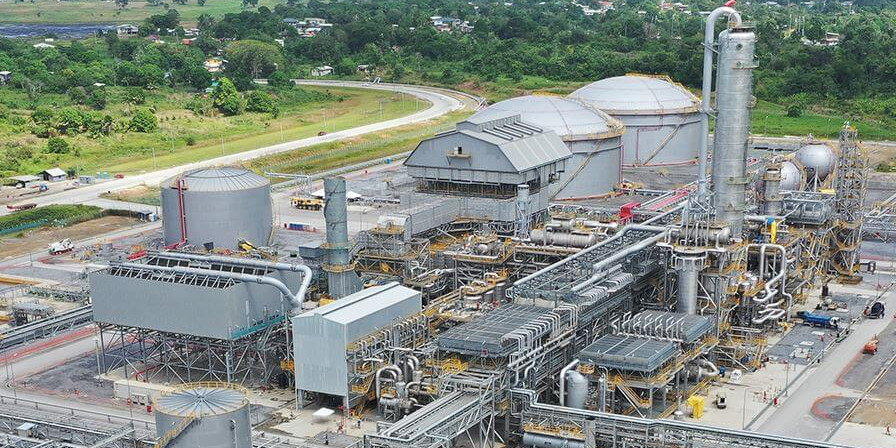
Trinidad methanol & DME plant commences commercial operation
Jord collaborated with Mitsubishi to deliver 2,000 tons of bespoke modular Dry Cooling systems to this plant
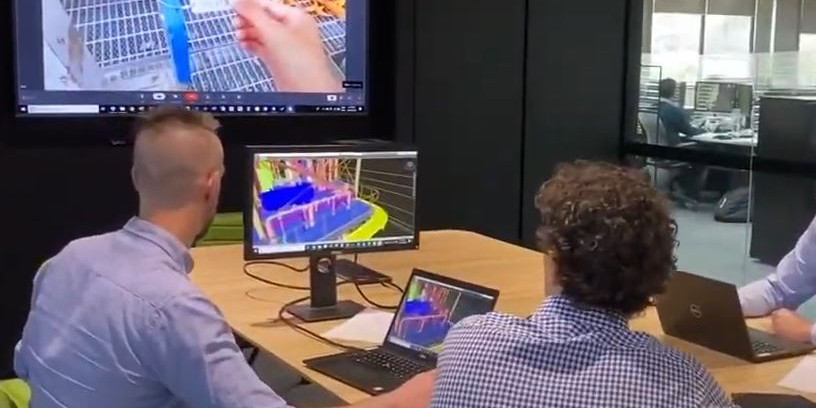
Video link remote inspections
Watch to learn how we discovered remote inspections can be even more thorough than in-person reviews. We undertake remote inspections by video link, which involves a local Quality Control inspector…
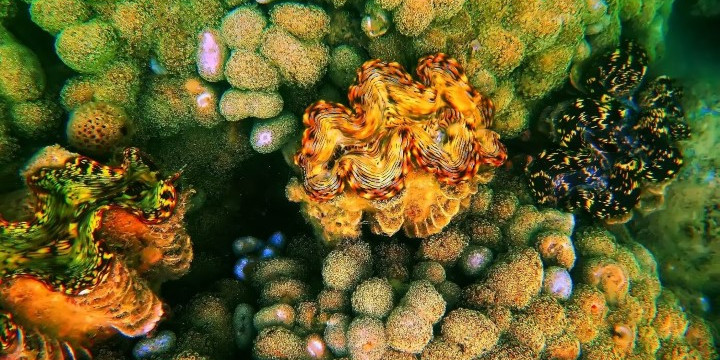
Jord funds establishment of Bintan Marine Protected Area
Jord is proud to announce its commitment to co-finance and support the establishment of a marine conservation initiative in Indonesia.
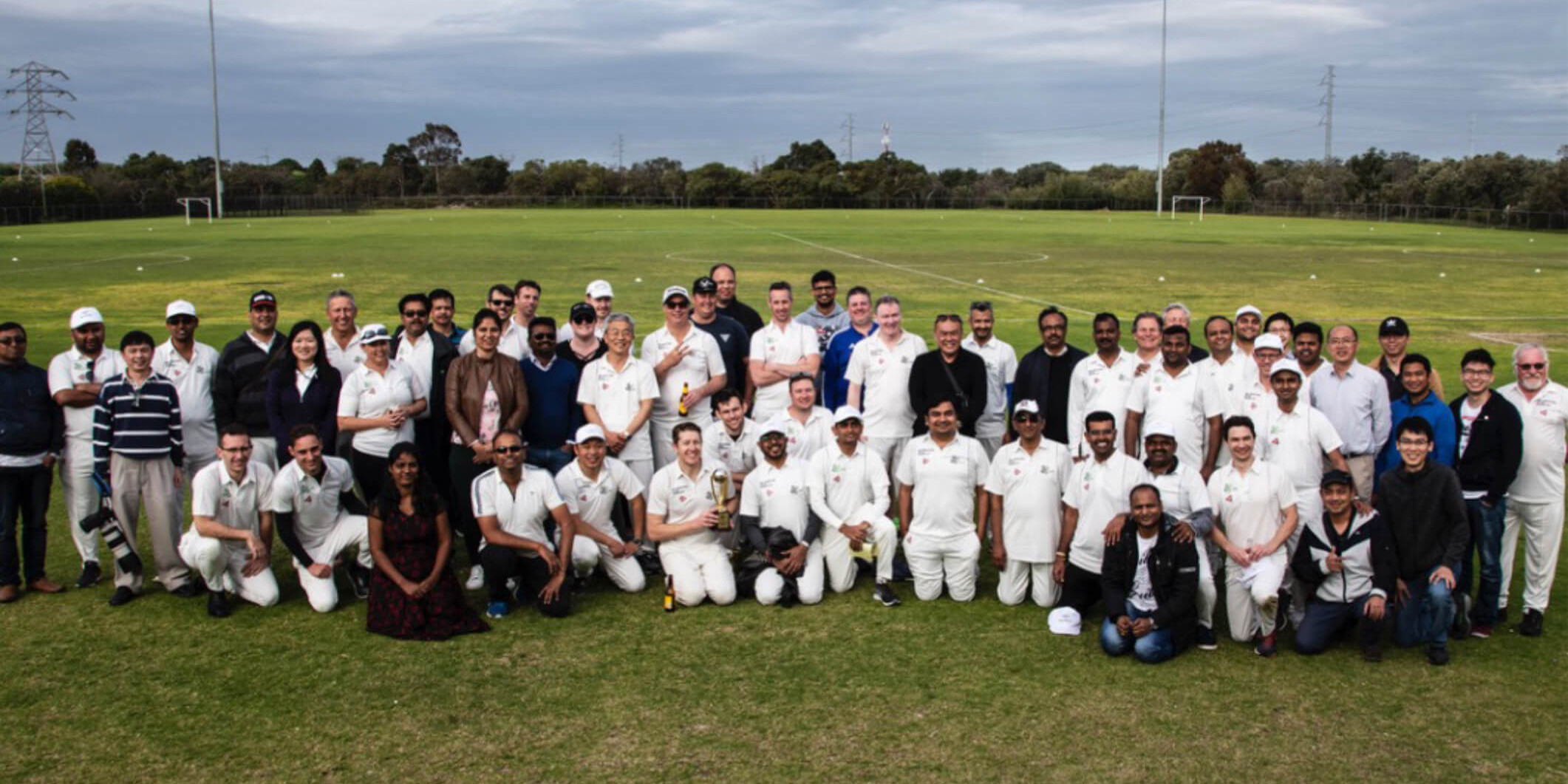
A final ball cricket classic
Taking place at Perth’s picturesque Leeming Spartan Cricket Ground, the home side ultimately triumphed in Jord’s annual World Cricket Challenge, in fast-fading light and on the very last ball.
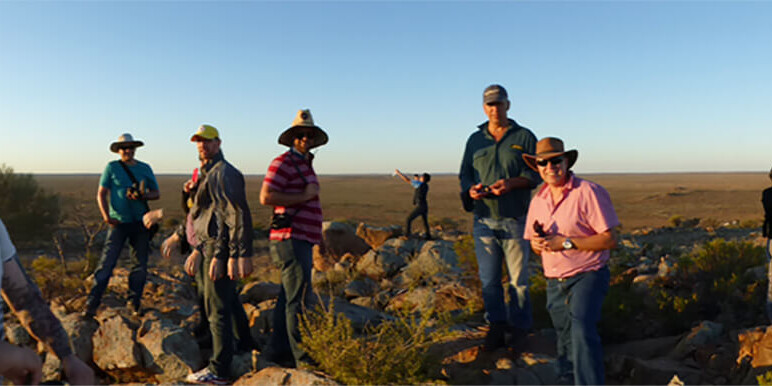
Clean Energy Cravens Peak Wilderness Queensland, Australia
Jord’s JET trust funded the installation of a 10 kW solar powered energy system to provide the necessary power that allows Bush Heritage residents and visiting scientists to conduct station…
Jord International 2026 Energy Conference
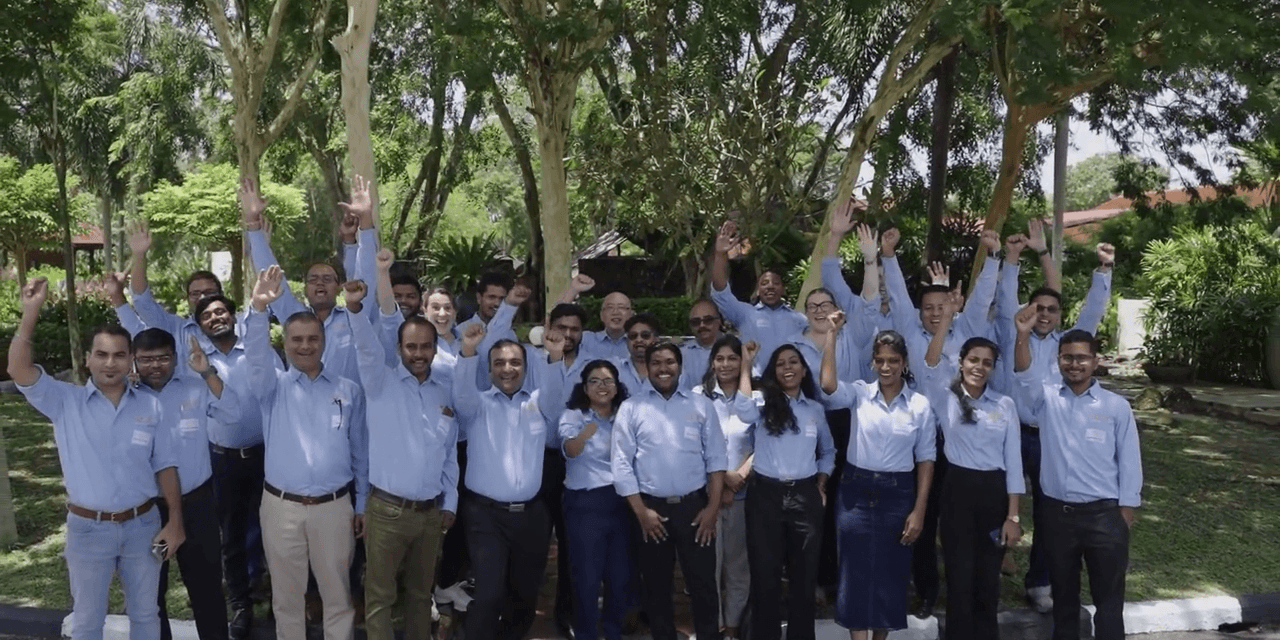
In early August, some members of Jord International’s Energy department gathered in Malaysia to connect, align, and focus on the priorities that will shape our future in energy.
2020 Outback tour
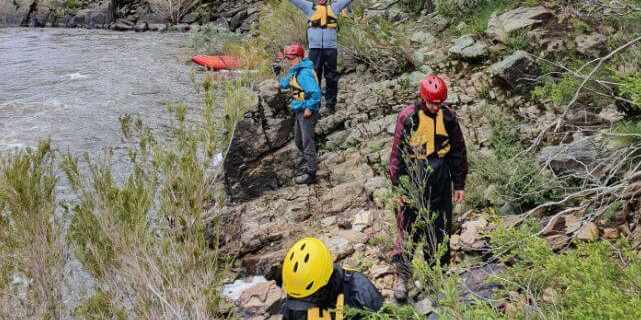
Jord’s 2020 tour was somewhat compromised by the ravages of Covid. Or so we thought.
Back of Bourke
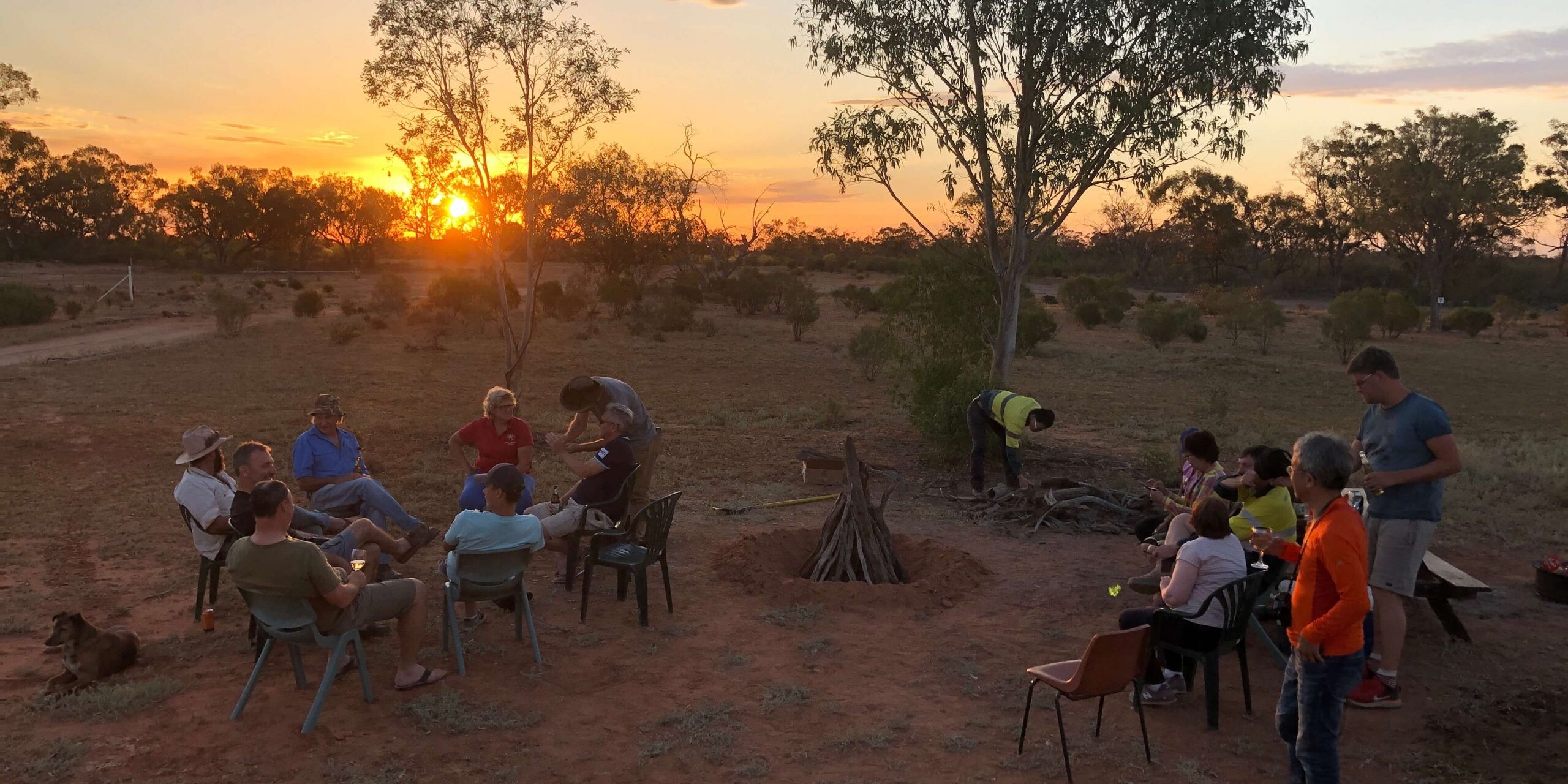
As a metaphor for a place far from anywhere, “back of Bourke” was coined for a reason.
Jord’s humble beginnings in the 1970s
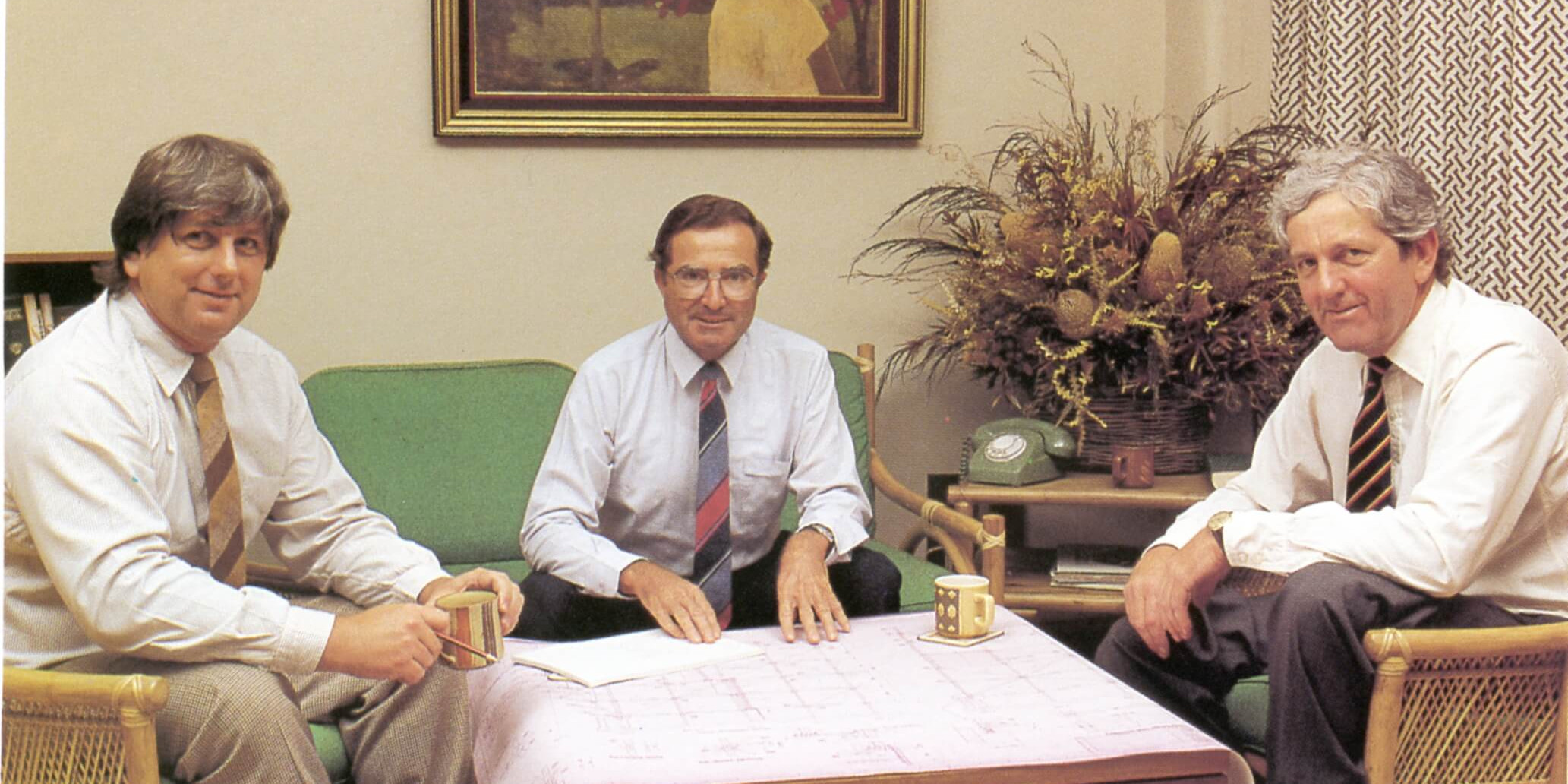
Jord Co-founder Phil Blundell says it doesn’t seem like 50 years since his business partner John Holden returned from the Racecourse Sugar Mill in Queensland with Jord’s very first order.

Celebrating International Women’s Day 2021
For International Women’s Day 2021, we celebrate all of the talented and dedicated women we are fortunate to work with and we invite four of them to share their personal experiences and advice about…
Finding that work – life balance
It's good to see this "work - life" balance we hear about so often put into practice
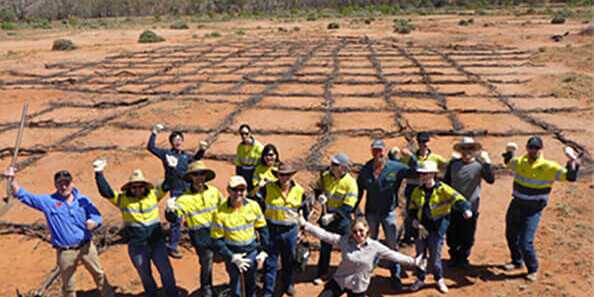
Habitat restoration in remote South Australia
Bush Heritage Australia purchased Boolcoomatta in 2006 and is painstakingly restoring the land to its original condition. A dozen Jord staff enjoyed a long weekend on the property, engaging in some…

Recent Jord “Can-Do” award winners 2021
Jord recognises stand-out efforts from staff with quarterly Can-Do awards. Here is a selection of 2021 awardees.

Congratulations to our December Can Do Award winners
This group was recognised for their outstanding commitment, problem-solving mindset and willingness to go above and beyond to deliver strong outcomes for Jord.
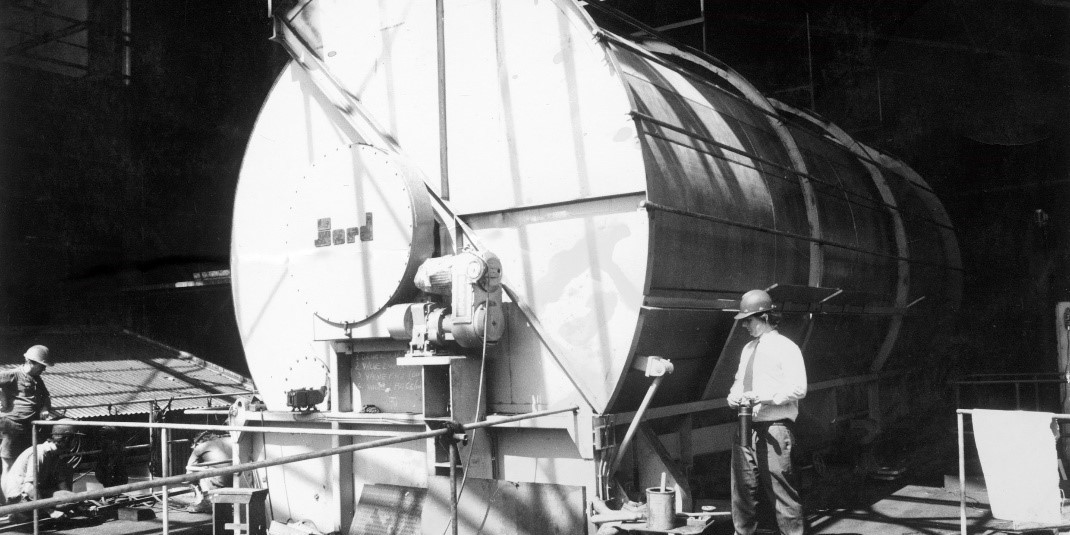
Can-Do Attitude: The Secret To 50 Years Of Business
Since its inception in 1972, Jord has grown and changed to meet the needs of its clients and has pursued innovation to deliver more value, efficiencies, and sustainability.

NovaCell™ implemented at Industrial scale
A partnership between Jord International, Aeris Resources and the NSW Regional Government is financing the installation of the first industrial-scale NovaCell™ Demonstration Plant.

Our Latest Can-Do Award Winners
The “can-do” attitude of our people is the reason Jord has achieved 50 years of experience and continues to grow
Overcoming sub-zero temperatures for dry cooling solutions
Our Senior Sales Manager discusses why sub-zero air coolers and condensers are the most difficult to design for reliable performance over the long term.

JordProxa selected for Vulcan Energy’s Lionheart Project
JordProxa selected as technology and equipment partner for Vulcan Energy’s Lionheart Project in Germany.

Jord International featured by HSBC Corporate and Institutional Banking and the AFR
As our global footprint has expanded, so too has the complexity of our operations and banking needs.

Jord Appoints Claire Jelbart as Head of Legal
Claire is a highly experienced executive leader, lawyer, and governance professional, bringing more than 20 years of experience in major projects and M&A across renewable energy, natural gas, LNG,…

A warrior marks his 20th year at Jord
There has been no job site too far, no journey too long, no task too difficult and no hardship too arduous for Indonesian based Field Engineer Busra.
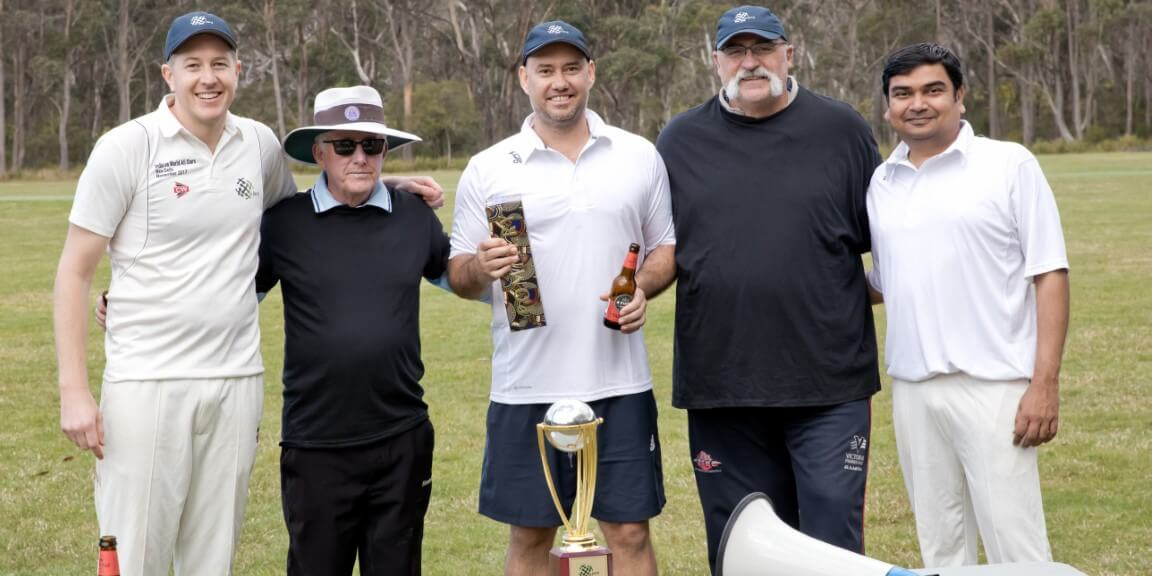
Annual Cricket Match
As part of Jord’s 50 year celebrations, our annual cricket match took place at Bowral’s stunning Glenquarry Oval.
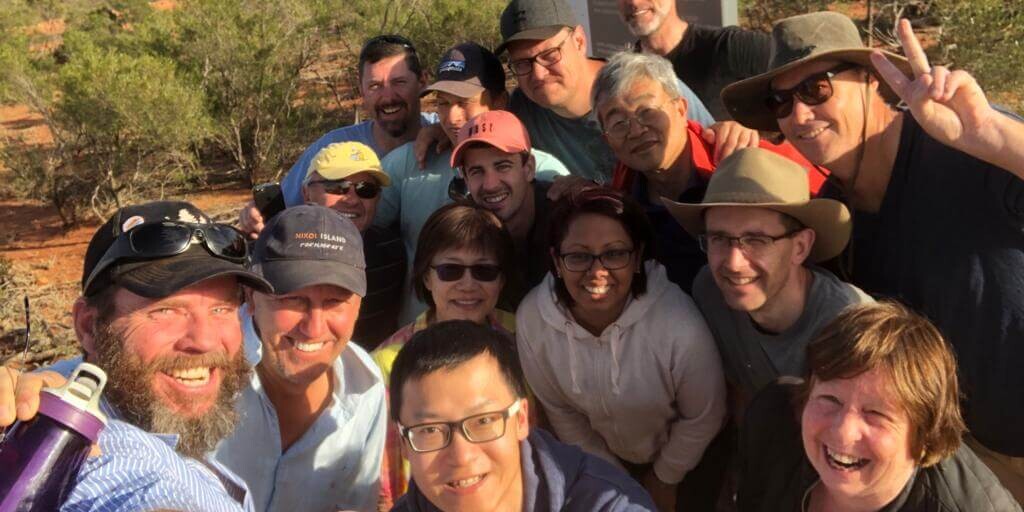
Success out the back of Bourke
Bush Heritage's Greg Carroll showcased his photography skills when Jord staff visited the remote Naree Reserve
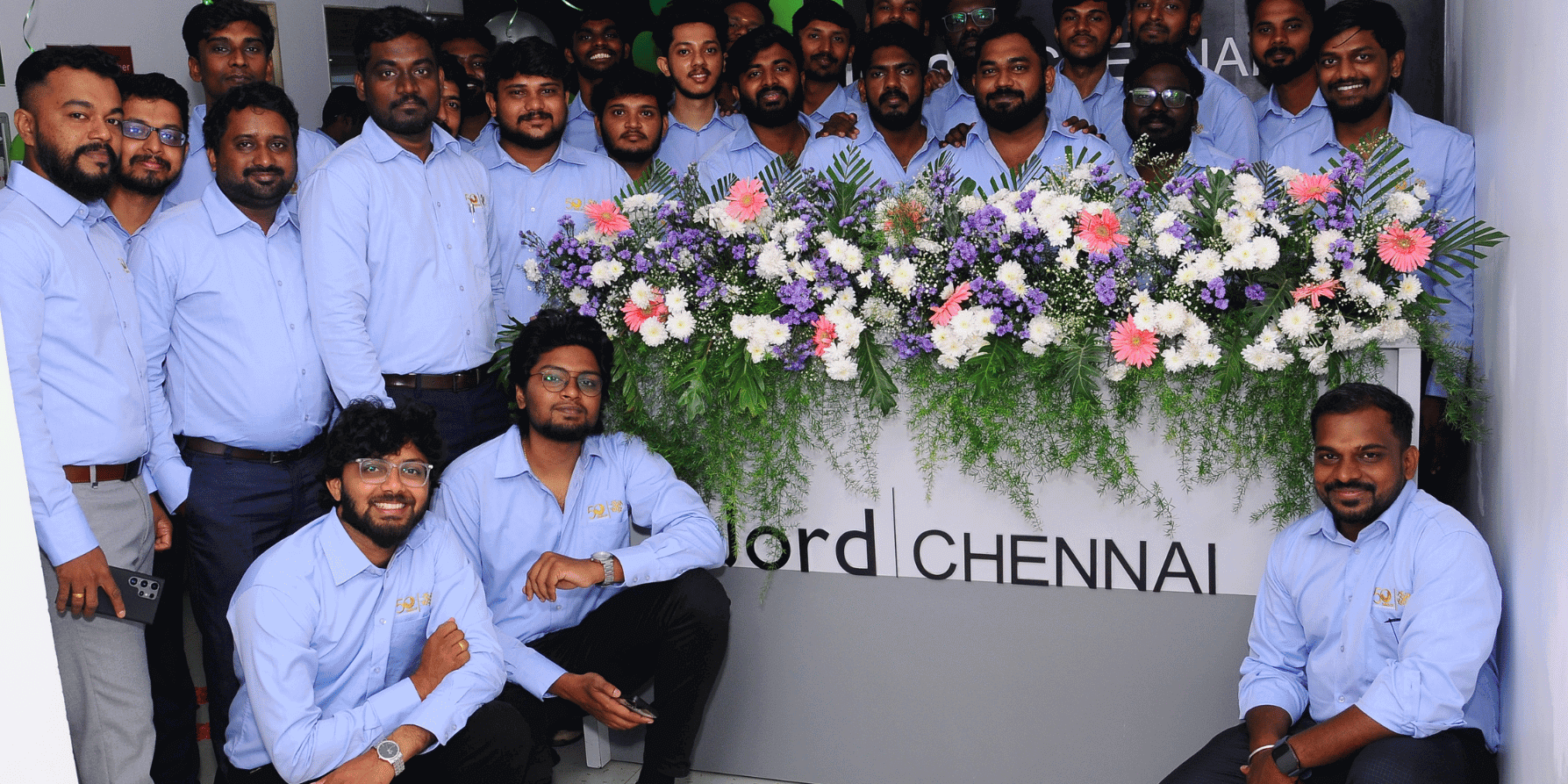
Jord Energy Expands Global Footprint with New Office in Chennai, India
Jord Energy has officially opened its newest office in Chennai, India, marking a significant milestone in the company’s global growth strategy.
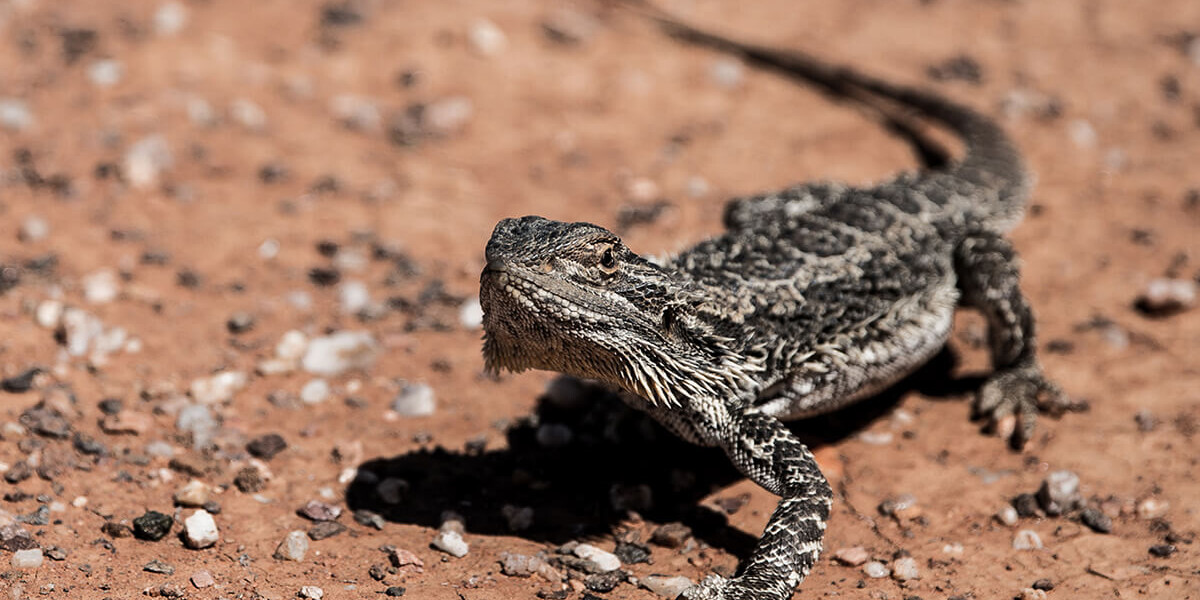
Clean Water Bon Bon Reserve, South Australia
JET funded a project to upgrade the water treatment and storage capability of the staff quarters.
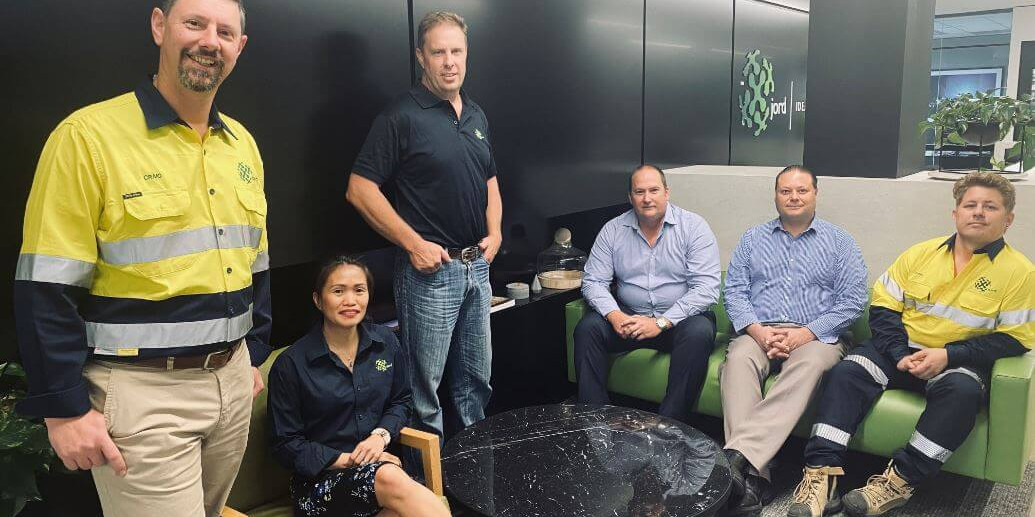
BHP awards Jord Supplier Innovation Program project
Jord International has been awarded the first contract from BHP under their Supplier Innovation Program Challenge that was launched in partnership with Austmine in 2020.

Jord “Can-Do” award winners 2019
Jord recognises stand-out efforts from staff with quarterly Can-Do awards. Here is a selection of 2019 awardees.

VIPER 2.0 Pilot Plant Arrives at Newcastle Institute for Energy and Resources
Jord International has reached a key milestone in the advancement of its VIPER 2.0 (Vibration Assisted Recovery of Critical Minerals) project, with the arrival of a 40-foot shipping container.
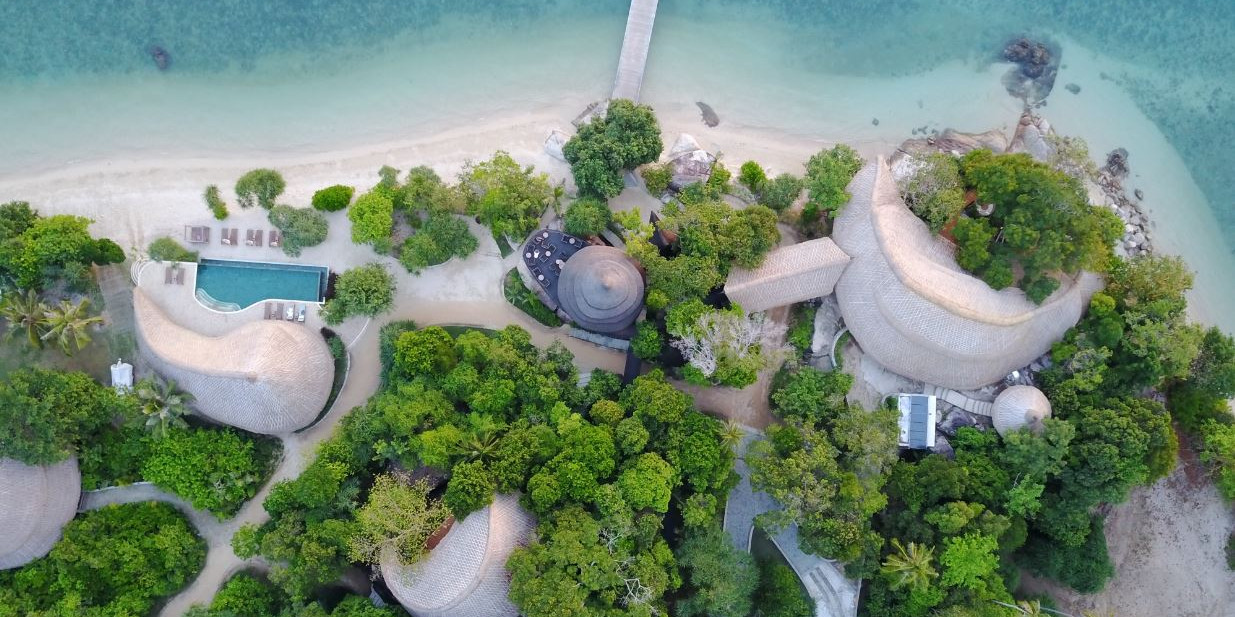
Jord commits $290,000 for marine conservation project
JET continues to get its feet wet, providing key support to a major marine conservation project off the east coast of Indonesia’s Bintan Island.
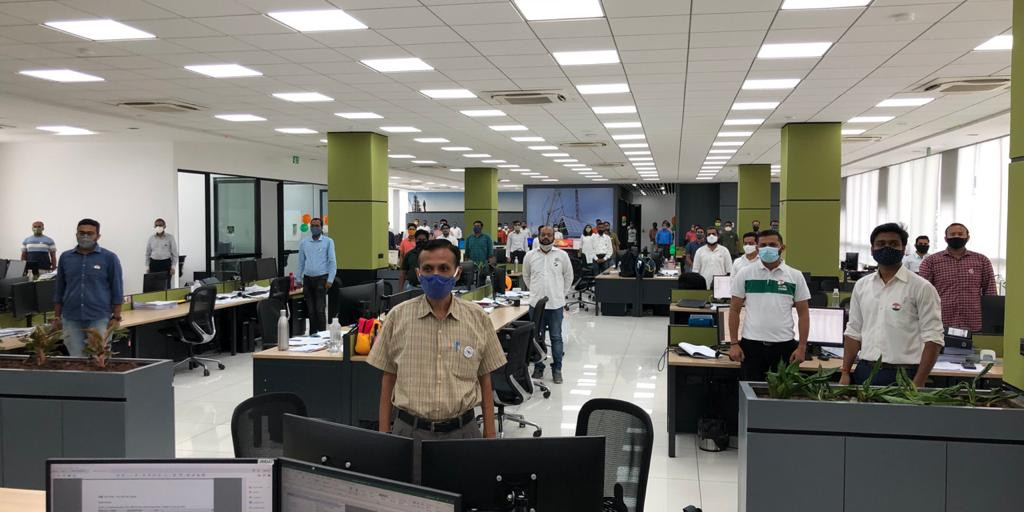
A look back at 2021
With the COVID pandemic continuing, it was another big year for the Jord Group. Despite the uncertainty and challenges in business conditions, we managed to execute and deliver to our clients’…
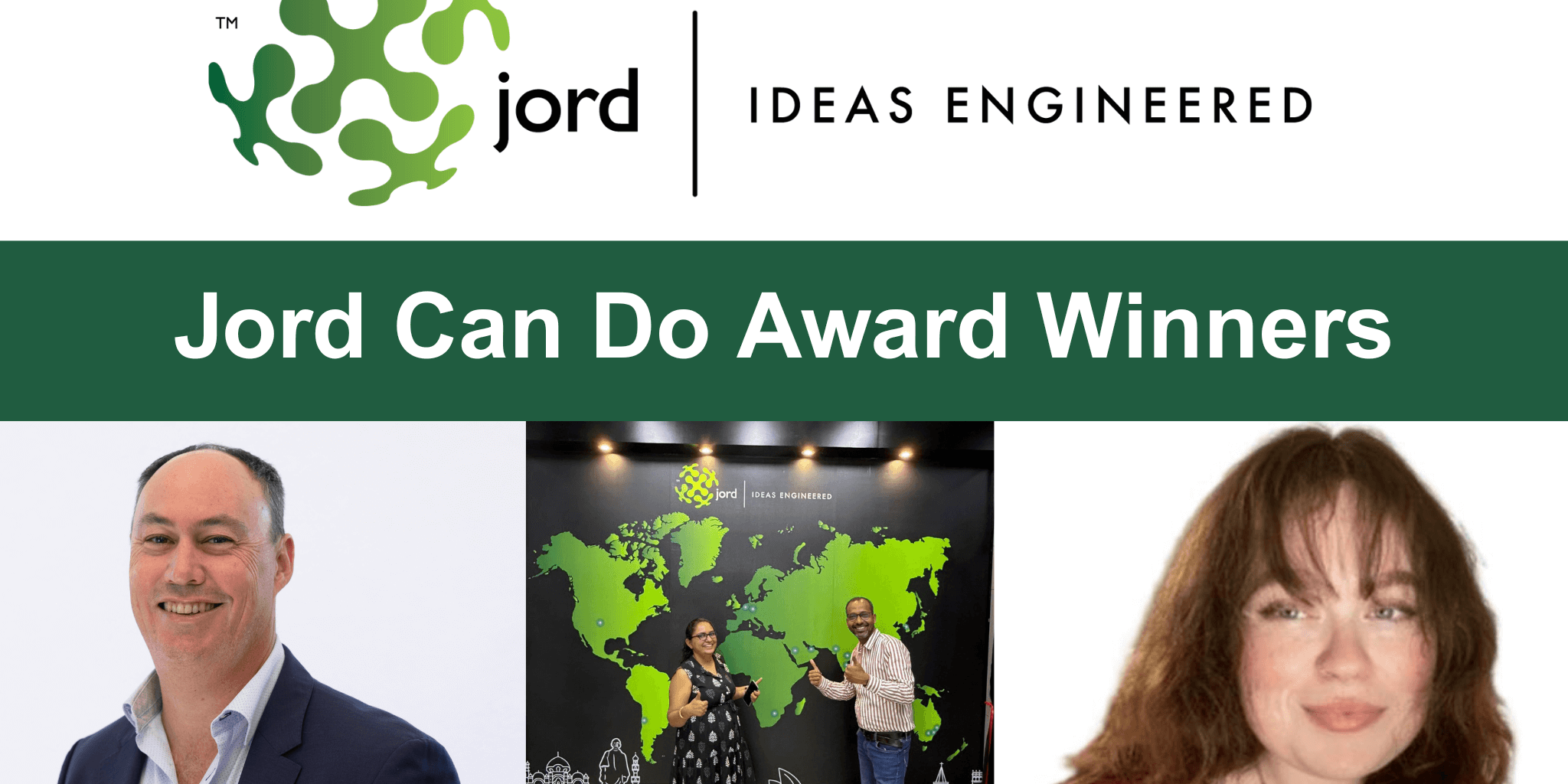
Jord’s Latest Can Do Award Winners
It's a new quarter and time to celebrate the success of our most recent Award Winners for their outstanding display of Jord’s 'Can Do' spirit.

Celebrating Jord’s latest Quarterly Can Do Award winners
A standout moment: for the first time ever, a single individual received two nominations in the same quarter.
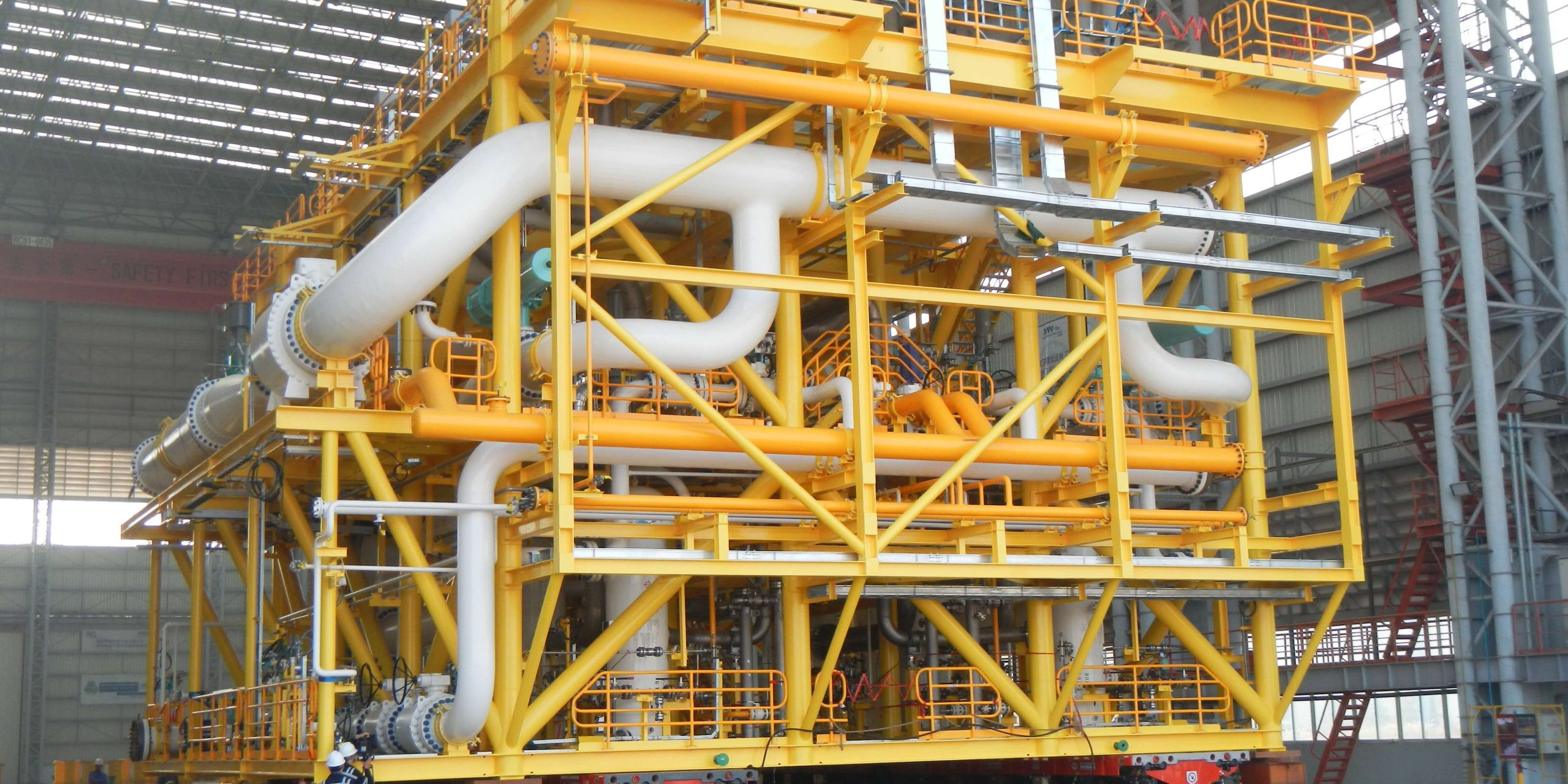
SWITCH2 WELCOMES NEW SHAREHOLDER JORD GROUP
Jord has invested in SwitcH2 BV to jointly finalize the design of the 300 MW Offshore Floating Ammonia Project

Jord’s Middle East Expansion
Jord has officially opened a new office in Dammam, Saudi Arabia, marking the Jord Group’s 17th office globally and an important advancement in our ongoing Middle East expansion.
30 Year Milestone
Emilio Ambrogio spoke movingly when his 30 years at Jord were honoured at the recent Sydney office birthday celebration.
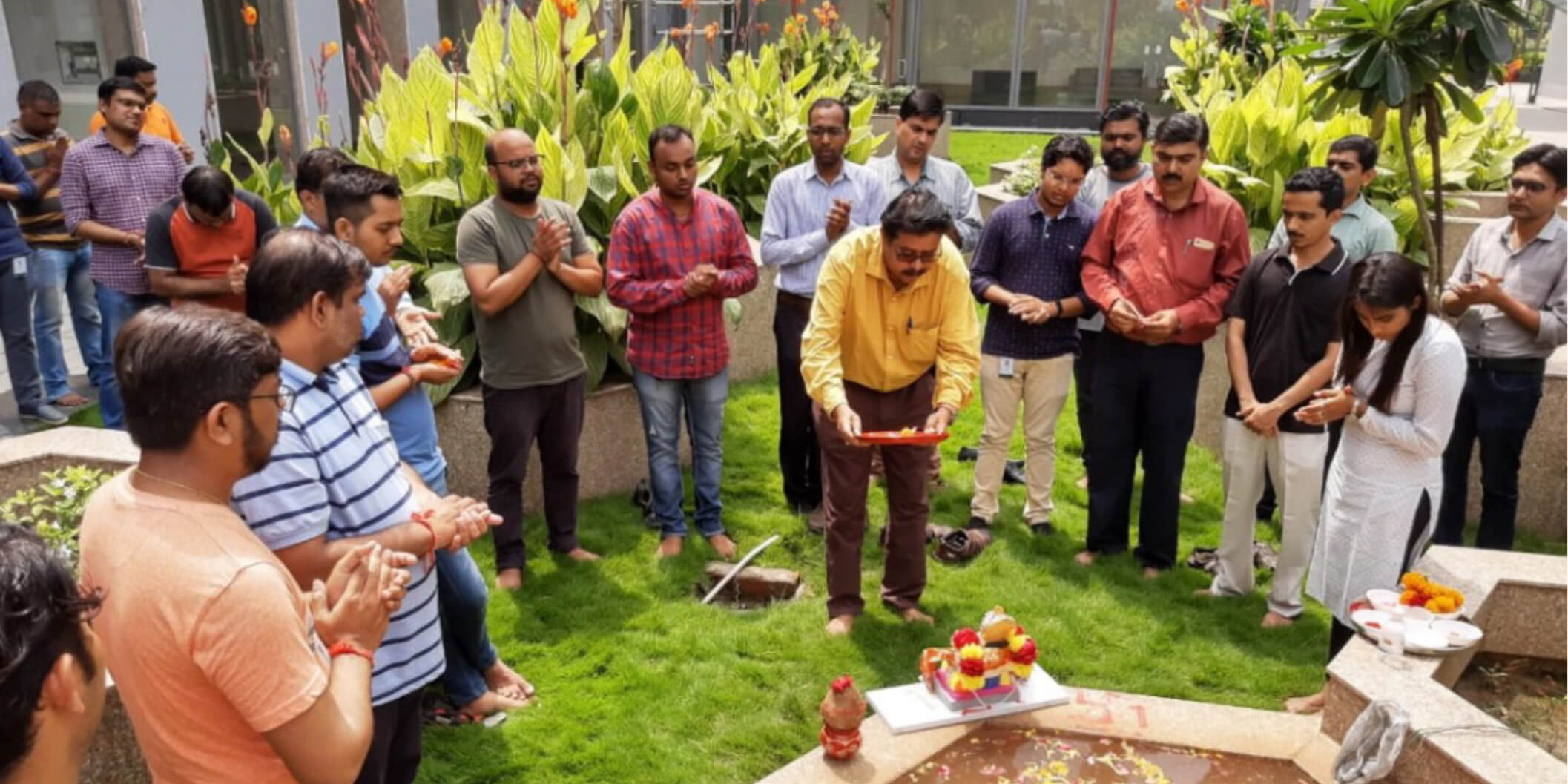
Ganesh Chaturthi
We’re an agnostic company, supportive of and curious about all peace-loving beliefs, religions and ideas.
A Rising Sun
Mechanical completion milestone reached for battery chemical crystallisation plant
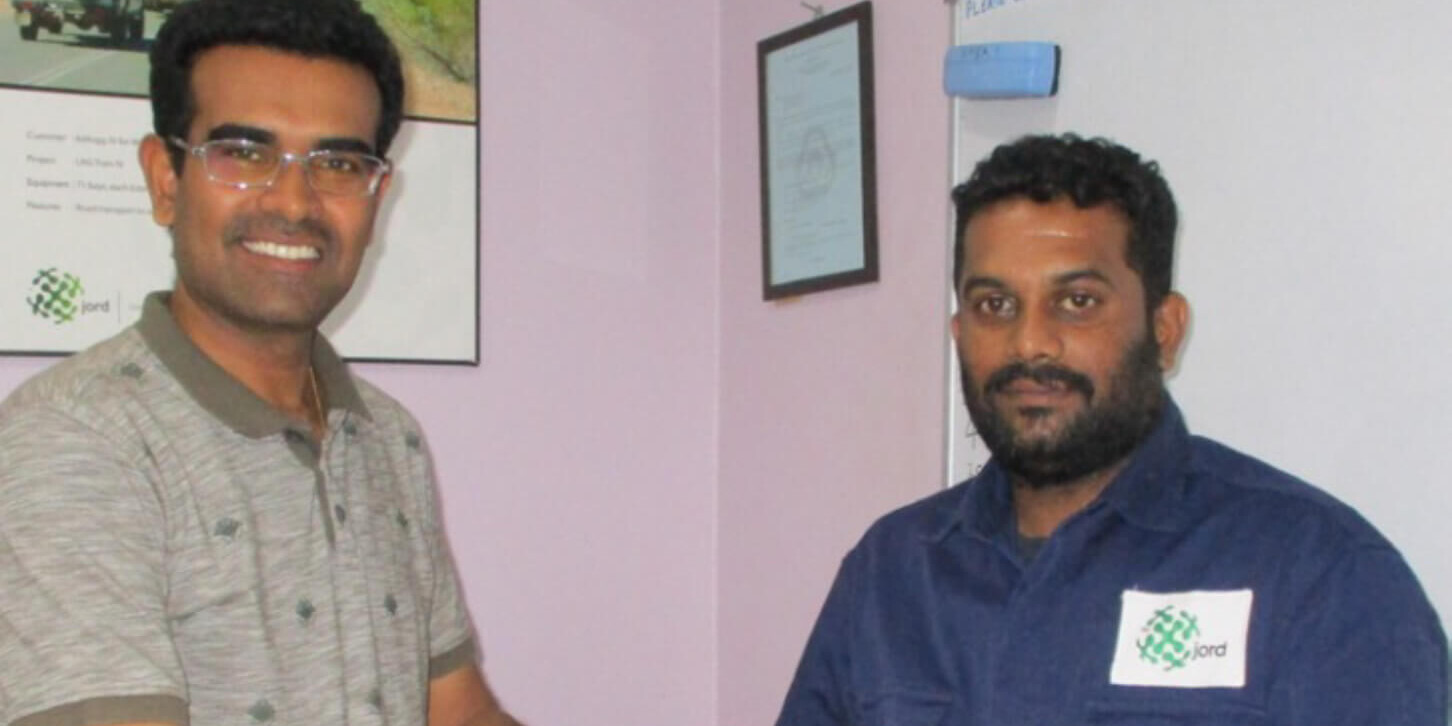
Century makers
Four more names have been etched into Jord’s 10 year service honour board. This brings the total of men and women, past and present, who have worked more than 10 years at Jord to over 100.
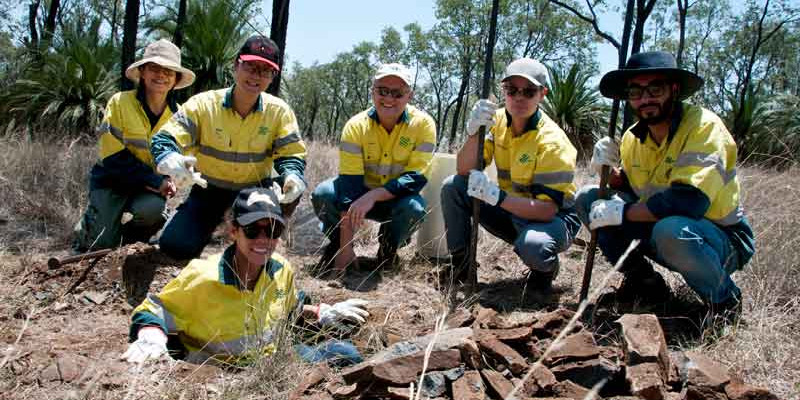
Searching for Planigals
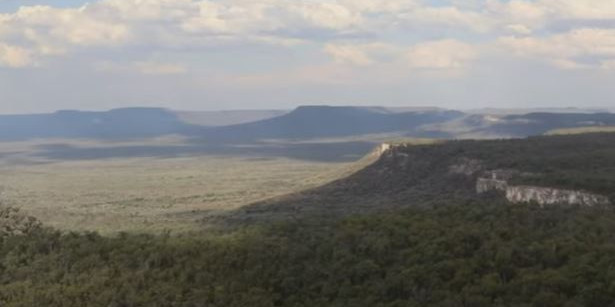
This fourth instalment of Jord’s annual Bush Heritage weekend involved 19 of us flying to its 60,000 hectare Carnarvon Reserve in central Queensland.

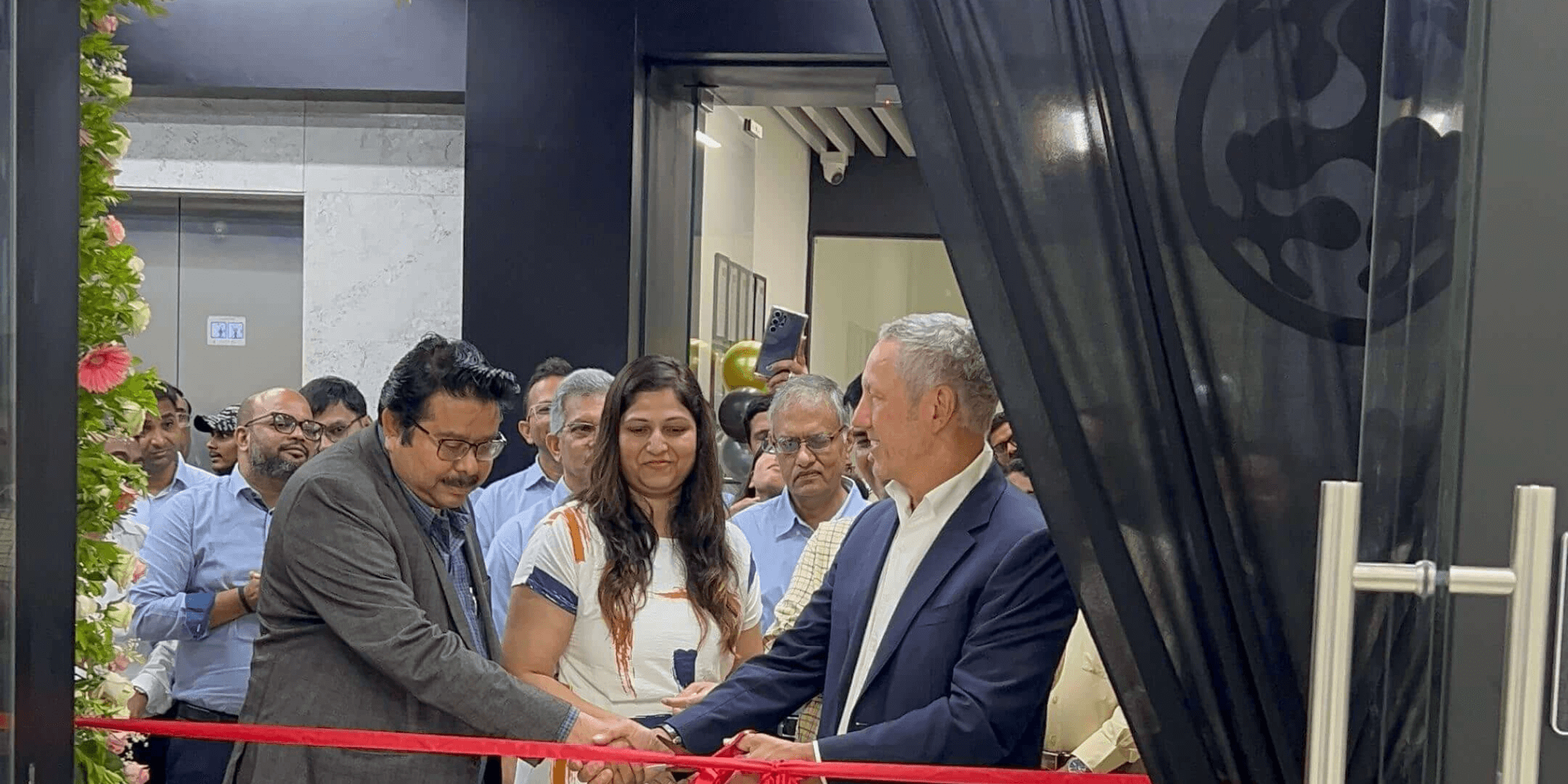
Milestone Moment: Jord Celebrates New Baroda Office Extension
Jord International is proud to announce the successful completion of our new office extension in Baroda, India.

The Two Essential Elements for Employee Engagement
Jord's Head of People and Culture discusses best practice HR initiatives to retain high performing engineers. Watch a short video.